Free Shipping on Orders $100+ — Canada


Short answer: Beard oil is a leave-in blend of plant carrier oils that conditions beard hair and moisturizes the skin underneath. Warm 3 to 10 drops in your palms (fewer for a short beard), work them down to the skin and through the hair once a day after washing, then comb.
If you've ever wondered what beard oil actually does, whether it's just a fancy moisturizer or something that changes how your beard looks and feels, you're not alone. It's a common question in men's grooming. Many men start a beard without knowing how to care for it, and the early weeks often bring dryness, a wiry feel and skin that feels tight and itchy.
This guide covers what beard oil is, what it does for the hair and the skin underneath in cosmetic terms, how much to use and how to apply it, and how to choose an oil and a scent.
Key takeaways
- Beard oil is a moisturizer for your beard and the skin under it: it conditions the hair, adds a light sheen and tames flyaways.
- Use it once a day on a clean, slightly damp beard, and work it down to the skin, not just over the surface.
- Start with 3 to 4 drops for a short beard and go up to 10 for a long one. Too much looks greasy.
- No oil grows a beard by itself. Beard oil keeps the hair and skin you have comfortable and well conditioned.
- Choose a fragrance-free oil if your skin is sensitive, and see a doctor if itching, flaking or redness does not settle.
What is beard oil made of?
Beard oil is a leave-in conditioning product for facial hair and the skin underneath. At its core it is a blend of carrier oils, which are plant-based oils that moisturize, often combined with essential oils or fragrance for scent.
Common carrier oils include jojoba, argan, grape seed, castor and coconut oil. Knightsmen Grooming beard oils combine organic versions of these with vitamin E. They are COSMOS-certified organic, made without mineral oil, parabens or synthetic fragrance, and handcrafted in small batches in Toronto. The full ingredient list is on each product page.
You can explore our full range of organic beard oils to find the right scent for your beard, or read our guide to jojoba oil for beards.
What does beard oil do for the skin under your beard?
It moisturizes it, and that is where most of the benefit is. Skin under a beard can dry out, especially in a cold Canadian winter, and the American Academy of Dermatology notes that without moisturizer the skin beneath a beard can become dry, flaky and itchy. For normal to dry skin it suggests beard oil, used sparingly.
Oil that reaches the skin helps soothe dry, tight-feeling skin and keeps it moisturized. The Cleveland Clinic notes that oil-based moisturizers typically hold more moisture than water-based ones, and jojoba, one of the main oils in our blends, is often described as similar to the skin's own oils.
Flakes under a beard are often a sign of dry skin, but not always. If they are greasy or red, or the itch lasts, see a doctor or dermatologist rather than adding more product.
What does beard oil do for the hair?
It softens and conditions. Beard hair is often coarse and wiry, especially when it is dry, and a light coat of oil makes it feel softer, look smoother and comb through more easily. That matters most for longer beards, where the lengths get the driest and look dull first.
A little oil also adds a light sheen and tames flyaways and frizz, so the beard holds a more even shape through the day without looking greasy, as long as you do not overdo it.
No oil grows a beard by itself. Genetics and age decide how much hair you have and where, and oil does not add follicles. What good care does is keep the hair and the skin underneath moisturized and comfortable. That is the sense in which our beard oils help promote healthy beard growth: they look after the hair and skin you have.
How do I use beard oil correctly?
Put a few drops on a clean, slightly damp beard, work them down to the skin and through the hair, then comb. Here are the steps:
- Start with a clean, slightly damp beard. The American Academy of Dermatology advises washing your face and beard every day with a gentle cleanser rather than soap, then moisturizing right after. Towel-dry so the beard is damp, not dripping. Our beard washing guide has the full method.
- Use the right amount. Less is more. Start small and add a drop at a time (see the table below). Too much leaves a beard looking greasy rather than healthy.
- Work it in properly. Pour the drops into your palm and rub your hands together to warm the oil. Massage it into the skin first, then work it through the hair from root to tip. Finish with a comb or brush to spread it evenly.
- Make it a daily habit. Treat beard oil like face moisturizer: a maintenance habit, not a one-time fix.
How many drops of beard oil should I use?
Use 3 to 10 drops depending on the length of your beard, and start with fewer. The American Academy of Dermatology advises using beard oil sparingly because you can always add more:
| Beard length | Drops per application |
|---|---|
| Short (under about 1 inch) | 3 to 4 |
| Medium | 5 to 6 |
| Long or thick | 7 to 10 |
| Not sure | Start with 3 and add a drop at a time |
If your beard looks greasy an hour later, you used a drop or two too many. Use fewer next time, or skip a day.
How long does beard oil take to work?
Beard oil changes how your beard feels and looks right away. It does not change how much hair you have, so here is a realistic picture:
- Right away: the beard feels softer, looks a little shinier and, with a scented oil, smells good. These are the cosmetic effects of the oil itself.
- With regular daily use: the skin underneath feels more moisturized and comfortable, because the oil helps hold moisture in.
- Over months: length and fullness depend on genetics, age and time. No oil changes them, but good care makes the awkward early stages easier to stick with.
In short, if your goal is comfort and a softer, tidier beard, beard oil works quickly. If your goal is a fuller beard, genetics, age and time are what count. If your skin turns red, sore or itchy after you apply it, stop using it, and see a doctor or dermatologist if that does not settle.
Organic beard oil vs regular beard oil: does it matter?
It can, mainly because of what is left out of the bottle. "Organic" describes how the plant ingredients were grown and processed, not how gentle a formula is, so the ingredient list matters as much as the label. COSMOS is an international standard for organic and natural cosmetics, run by a non-profit association, and products are certified by approved certification bodies.
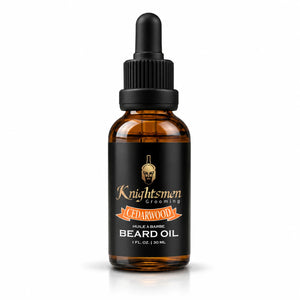
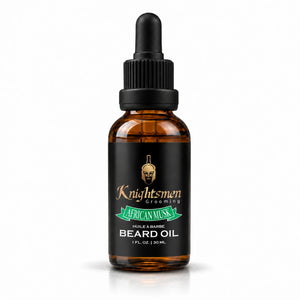
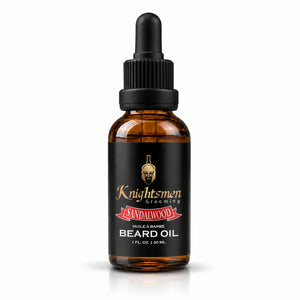
Some conventional beard oils use mineral oil, which is derived from petroleum, or synthetic fragrance. Knightsmen beard oils are COSMOS-certified organic and made without mineral oil, parabens or synthetic fragrance. The scent comes from plant essential oils (cedarwood and sandalwood) or, in African Musk, a natural musk fragrance, and the Classic has no added fragrance at all.
Our full beard oil collection includes cedarwood, sandalwood and African Musk scents, plus a completely unscented beard oil for men with fragrance sensitivities. For a deeper comparison, read organic vs. regular beard oil: which is actually better?
Which beard oil is right for you?
Choosing a beard oil comes down to three things: your skin, your scent preference and your beard length. All Knightsmen beard oils share the same carrier-oil base, so the choice is mostly about scent.
- Sensitive skin or fragrance sensitivity: go fragrance-free. Our unscented organic beard oil has no added fragrance, and our guide to beard oil for sensitive skin explains what to check first.
- Dry or coarse beard: pick the scent you like. Cedarwood is clean and woodsy, Sandalwood is warm and dry, and African Musk is warm with a touch of sweetness.
- Starting a routine: the Beard Growth Starter Kit pairs a 30 ml beard oil with a 2 oz beard balm, in your choice of scent.
- Want to try several scents: the Beard Oil Discovery Set has four 5 ml bottles, one of each scent, so you can find a favourite before committing to a full size.

Knightsmen Recommends
Organic Beard Oil | Classic
This is the exact unscented beard oil this guide recommends for sensitive skin — the same organic jojoba and argan base as our scented oils, just without the added fragrance.
Shop Now →What is the difference between beard oil and beard balm?
Both matter, but they do different jobs. Oil is a liquid that moisturizes the skin and softens the hair. Beard balm is thicker and butter-like, with light hold. Many men start with oil and add balm once the beard gets longer, and some use both: oil first, then a little balm to shape and seal it in.
| Feature | Beard oil | Beard balm |
|---|---|---|
| Best for | Very short to medium beards | Medium to long beards |
| Main job | Moisturizing the skin underneath and softening the hair | Styling, shaping and taming flyaways |
| Texture | Liquid that absorbs quickly | Thicker and butter-like; melts in your palms |
| Key ingredients | Carrier oils such as jojoba and argan | Shea butter, beeswax and carrier oils |
| When to apply | First, after washing | After the oil |
Who should use beard oil?
Beard oil suits most men with normal to dry skin once the beard is long enough to work through. It is especially useful if:
- your beard feels dry, coarse or wiry,
- the skin under your beard feels tight or dry,
- you are growing out a beard and want it to feel softer and look tidier, or
- you want a light sheen and fewer flyaways.
Use it with care if you have a known allergy to a specific ingredient (always check the ingredient list) or very sensitive skin. In that case choose a fragrance-free oil and patch test it first: Health Canada suggests the inside of your forearm or behind your ear for 24 hours. The American Academy of Dermatology suggests beard oil for normal to dry skin and a fragrance-free moisturizer for sensitive skin, so if your skin is oily or very sensitive, talk to a dermatologist about what suits it.
What are the most common beard oil mistakes?
The most common mistakes are using too much, oiling only the surface and ignoring a reaction:
- Using too much. More oil does not mean more softness, only a greasy beard. Start low and add a drop at a time.
- Only oiling the surface. Most of the benefit is on the skin underneath. Push your fingertips through the hair until you reach the skin.
- Applying it over a dirty beard. Wash daily with a gentle cleanser first, as dermatologists advise, then oil.
- Changing several products at once. If your skin reacts, you will not know which product caused it. Add one new product at a time.
- Choosing a strong scent when your skin is sensitive. If fragrance bothers your skin, go fragrance-free.
- Expecting it to change your genetics. No oil adds follicles. Judge it by how your beard feels and looks.
- Ignoring a reaction. Redness, burning or swelling after you apply it means you should stop using the product.
If you are new to beard care or want to upgrade your routine, explore our full beard care collection. Our beard oils and balms are made in Canada with COSMOS-certified organic ingredients, without mineral oil, parabens or synthetic fragrance.
Frequently asked questions
Can I use beard oil every day?
Yes. Once a day after washing is the usual routine. Use the amounts in the table above, and if your beard looks greasy, use fewer drops or skip a day. If your skin reacts, stop using it and see a doctor or dermatologist if the reaction does not settle.
Should I put beard oil on a wet or dry beard?
A clean, slightly damp beard is the usual starting point. The American Academy of Dermatology advises moisturizing right after washing, and a towel-dried beard makes the oil easier to spread. You can also use a drop or two on a dry beard during the day to smooth flyaways, but go lightly.
Does beard oil make a beard grow?
No. No oil grows a beard by itself, because genetics and age set how much hair you have and where. Beard oil keeps the hair and the skin underneath moisturized and comfortable, which helps a beard look its best as it fills in. If you notice sudden patches or hair loss, see a doctor or dermatologist.
Can I use beard oil on sensitive skin?
You can, with care. Any product can cause a reaction on sensitive skin, so choose a fragrance-free oil such as our Classic, read the full ingredient list, and patch test before using it on your face. If the area turns red, itchy, sore or swollen, wash the oil off and do not use it again.
Do I need beard balm as well as beard oil?
Not at first. Oil is enough for short to medium beards. Add a balm when the beard gets longer and you want light hold, to tame flyaways and to seal in moisture. Apply the oil first, then a small amount of balm to shape.
Shop these products
Related guides
- How to use beard oil the right way
- Best beard oil in Canada (2026)
- Beard balm vs beard oil: which one does your beard actually need?
- Organic vs. regular beard oil: which is actually better?
- Beard growth basics
Sources
- American Academy of Dermatology: A dermatologist's top tips for a healthy beard
- Cleveland Clinic: What may be causing your itchy beard
- Health Canada: Use cosmetics safely
- COSMOS-standard: About the standard
Knightsmen Grooming products are cosmetics. This guide is general information, not medical advice. If you have a skin or scalp condition, or sudden changes in your hair, see a doctor or dermatologist.