Free Shipping on Orders $100+ — Canada

Short answer: Winter hair care is a gentle routine that helps keep hair conditioned in cold, dry weather: shampoo to suit your hair type, condition every time, smooth a drop or two of hair oil over the lengths, and dry your hair fully before going outside.
Freezing air outside, dry heat inside, wool hats, scarves and static: by February many men find their hair feels dry and rough, looks flat and is hard to style. This guide explains what cold weather does to hair and how to look after it with a simple routine, with or without hair oil.

Knightsmen Recommends
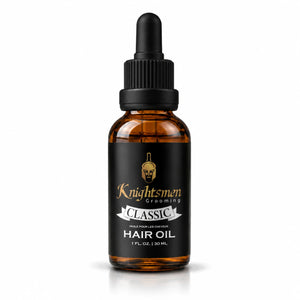
Organic Hair Oil | Classic
Unscented organic hair oil in a 30 ml bottle, handcrafted in small batches in Toronto with certified organic ingredients. It conditions hair, adds shine and tames frizz.
Shop Now →Key takeaways
- Cold, dry air and indoor heating can leave hair feeling dry and rough, and static makes it harder to style.
- Wash to suit your hair type, put shampoo on the scalp rather than the lengths, and condition every time.
- A little hair oil on the lengths conditions hair, adds shine and tames frizz and flyaways.
- Dry your hair before going outside in freezing weather, and use a low or medium heat setting if you blow-dry.
- If your scalp stays dry or flaky, or you notice sudden changes in your hair, see a doctor or dermatologist.
How does winter affect men's hair?
Hair takes up and gives off moisture depending on the air around it, so cold, dry air outdoors and heated air indoors can leave it feeling dry, rough and dull. Wool hats, scarves and pillowcases rub against it, and dry hair builds up static, which is why it flies away and is hard to style cleanly. Weather can dry the scalp as well: the American Academy of Dermatology (AAD) notes that weather can dry the scalp in low humidity and cold climates.
By February, many men describe the same thing: hair that looks flat, feels rough and refuses to sit down. None of that calls for a complicated routine. A gentle wash, regular conditioning, a little hair oil on the lengths and a few habits at home help keep hair soft and manageable.
How should you wash and condition hair in winter?
Wash to suit your hair type rather than the calendar. The AAD says a man with straight hair and an oily scalp may want to shampoo every day, while dry, textured, curly or thick hair can go longer between washes, shampooing when needed. Apply shampoo to the scalp rather than the whole length of the hair, so you cleanse the scalp without drying the lengths.
Condition every time. The AAD suggests conditioner on the ends for fine or straight hair and on the whole length for dry or curly hair. If you want a matching pair, our rosemary shampoo and conditioner bundle cleanses and conditions and is made without sulfates or parabens. Use lukewarm rather than very hot water when you can.
How do you use hair oil in winter?
Use a small amount, on dry lengths or on damp hair after washing. Rub a drop or two between your palms and smooth it over the mid-lengths and ends, keeping it off the roots if your hair is fine. After a shower, a few drops worked through damp hair are another option. Use it daily or every second day. Hair oil conditions and softens hair and adds shine, and a little goes a long way on frizz and flyaways.
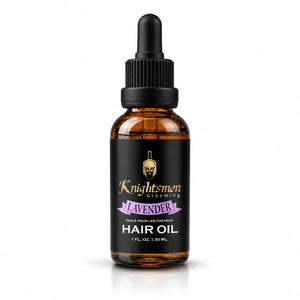
Our organic hair oils come in Bergamot (fresh citrus), Lavender (slightly floral), Tea Tree (clean, sharp and herbal) and Classic (unscented), in 30 ml bottles. They are handcrafted in small batches in Toronto and made with certified organic ingredients, with no mineral oil, no parabens and no synthetic fragrance. Choose by the scent you prefer, or try all four in the Hair Oil Discovery Set, which holds four 5 ml bottles.
How do you manage static and flyaways in winter?
Static builds up when dry hair rubs against hats, scarves and pillowcases, so the aim is to keep hair conditioned and to cut down on friction.
- Condition every wash. The AAD notes that a leave-in conditioner can diminish frizz, static and flyaway strands; apply it from the mid-lengths to the ends, not the scalp.
- Add a drop of hair oil. Smooth a drop or two over dry lengths to tame flyaways and add shine.
- Add humidity at home. Dry indoor air is part of the problem, and a humidifier raises the humidity level.
- Try a smoother pillowcase. If cotton leaves your hair flying in the morning, a satin pillowcase is an inexpensive thing to try.
Should you go outside with wet hair in winter?
It is better to let your hair dry first, because wet hair can freeze in very cold air, which is uncomfortable. Pat or wrap your hair in a towel or T-shirt instead of rubbing it, because the AAD notes that roughly rubbing hair dry can cause damage. Hair is delicate when wet, so detangle it with a wide-tooth comb rather than a brush.
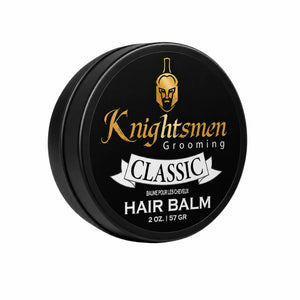
If you are short on time, use a hair dryer on a low or medium heat setting. The AAD cautions that excessive heat can cause damage, so avoid the highest setting and do not blow-dry more often than you need to. When your hair is dry, finish with a drop of oil or a little hair balm and head out.
How do you care for hair that already feels dry or rough?
Start with a trim. Split ends cannot be repaired, only cut off, so a trim removes the driest lengths and gives you a clean base to look after. Then stick to the basics rather than adding more products:
- Condition every wash, concentrating on the lengths that feel driest.
- Try a weekly deep-conditioning session: work conditioner or hair oil through clean, damp hair, cover it with a shower cap for 20 to 30 minutes, then rinse.
- Limit heat styling and use the lowest setting that works, as the AAD advises.
- Use warm rather than hot water in the shower; the AAD recommends warm water for dry skin.
Hair grows slowly, so dry lengths are mostly looked after with gentle care until they are trimmed off. If hair breakage continues or your hair stays unmanageable even with regular conditioning, the AAD says a board-certified dermatologist can help.
Does a humidifier help in winter?
Yes, a humidifier can help by adding moisture to dry indoor air. The AAD suggests one for dry skin: some heating systems include a humidifier, or you can run a portable one in the bedroom while you sleep, and the AAD says to clean it regularly. Dry indoor air can leave hair feeling dry too, so many people run one through the heating season.
It is the most passive change on this list: you set it up once and it works in the background, whatever else you do in the morning. Combine it with a gentle wash, regular conditioning and a little oil on the lengths for a routine that does not take extra time.
Do the same habits apply to your beard?
Yes. A beard is hair too, so the same principles apply: keep it moisturized, be gentle with it, pat it dry rather than rubbing, and make sure it is dry before you go out in freezing weather. A few drops of beard oil and a little beard balm are the beard counterparts of hair oil and hair balm. As with hair oil, start with a small amount; you can always add more.
Our guide to winter beard care covers the full routine, and you can browse the organic beard oils, the organic beard balm range and the whole beard care collection for the products.
What does a simple winter hair routine look like?
Most of it is what you already do, done with a little more care. This table puts the steps in order.
| Step | How often | What to do |
|---|---|---|
| Shampoo | To suit your hair type | Apply to the scalp, not the whole length, and rinse with lukewarm water |
| Condition | Every wash | On the ends for fine or straight hair, on the whole length for dry or curly hair |
| Dry | Before going outside | Pat or wrap in a towel; use a low or medium heat setting if you blow-dry |
| Finish | Daily or every second day | A drop or two of hair oil on dry lengths, or a few drops on damp hair |
| Deep condition | Weekly, if you like | Conditioner or hair oil on clean, damp hair for 20 to 30 minutes under a shower cap, then rinse |
| Humidity | Through the heating season | A humidifier at home, cleaned regularly |
| Trim | When the ends feel dry or split | Cut off the driest lengths |
Frequently asked questions
How often should men wash their hair in winter?
It depends on your hair type, according to the American Academy of Dermatology. A man with straight hair and an oily scalp may want to shampoo every day, while dry, textured, curly or thick hair can go longer between washes. Put shampoo on the scalp rather than the whole length of the hair, and condition every time.
Is hair oil good for dry winter hair?
Hair oil conditions hair, softens it and adds shine, and a drop or two smooths frizz and flyaways. Use a small amount on dry lengths or damp hair, and keep it off the roots if your hair is fine. It is a cosmetic product, not a treatment for any hair or scalp condition.
Why is my hair so static in winter?
Dry air and friction from hats, scarves and pillowcases let static build up in dry hair. Conditioning every wash helps, the AAD notes that a leave-in conditioner can diminish static and flyaways, and a drop of hair oil smoothed over dry lengths helps tame them. A humidifier at home adds moisture to the air.
When should I see a doctor about my hair or scalp?
See a doctor or dermatologist if your scalp stays dry or flaky despite gentle care, if it is painful or itchy, or if you notice sudden changes in your hair, including more hair falling out than usual. Hair products are cosmetics, and none of them replaces a medical opinion.
Which hair oil should I choose?
Choose by scent, since the oils share the same organic base. Bergamot is fresh citrus, Lavender is slightly floral, Tea Tree is clean, sharp and herbal, and Classic is unscented. If you are not sure, the Hair Oil Discovery Set holds all four in 5 ml bottles, so you can try each before choosing a full-size bottle.
Knightsmen Grooming products are cosmetics. This guide is general information, not medical advice. If you have a skin or scalp condition, or sudden changes in your hair, see a doctor or dermatologist.
Sources
- American Academy of Dermatology: Tips for healthy hair
- American Academy of Dermatology: Dermatologists' top tips for using leave-in conditioner
- American Academy of Dermatology: Is your dry scalp something more serious?
- American Academy of Dermatology: Dermatologists' top tips for relieving dry skin