Free Shipping on Orders $100+ — Canada

Short answer: A good barber is a trained professional who listens before cutting, can show you work you like and keeps a clean, tidy shop. Check their portfolio, ask about their experience with your hair type, and notice whether they consult with you before they pick up the clippers.
Finding a great barber is one of the most useful things a man can do for his appearance. A skilled barber does not just cut hair: they understand face shape, set beard lines, suggest styles that suit your features and your lifestyle, and deliver consistent cuts. Finding that person takes a little effort upfront. This guide covers what to look for, how to check before you commit, and how to get the most from every appointment.

Knightsmen Recommends
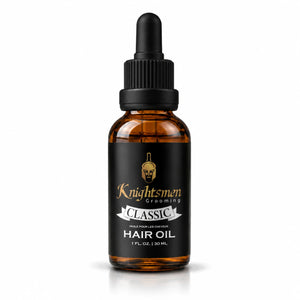
Organic Beard Oil | Classic
Fragrance-free organic beard oil, handcrafted in small batches in Toronto. A few drops between barber visits keep the beard conditioned and easy to shape.
Shop Now →Key takeaways
- Check the work first: a barber's Instagram or Facebook shows their style and skill, and beard work is a separate skill from cutting hair.
- A good barber consults before cutting, asking what you want, how you style at home and what has not worked before.
- Rules for barbers and hairstylists differ by province, so ask where a barber trained and whether they are licensed or certified where you live.
- Be specific: use clipper guard numbers or inches for length, bring two or three reference photos and give feedback while the cut is under way.
- As a general guide, short fades need a visit every 2 to 3 weeks, medium-length styles every 4 to 6, and longer hair and beards every 6 to 8.
Why does the right barber matter?
A bad haircut is over in a few weeks. A bad barber relationship is slower: you leave every appointment slightly disappointed but keep going back out of convenience. Most men have been there with a barber who is technically adequate but never quite gets what they are asking for, or who rushes the appointment without really listening.
The right barber pays attention to your face shape, notes how your hair behaves, remembers your preferences and suggests adjustments as your hair and beard change over time. That is the difference between an average appointment and a good one, and it is why some men have been seeing the same barber for decades.
What are the seven signs of a good barber?
Here are the seven signs, with what to look for and how to check each one before you commit.
| Sign | What to look for | How to check |
|---|---|---|
| A clean, professional shop | A tidy station, clean capes and towels, and tools put away rather than loose on an open counter | Look when you walk in |
| Training and licensing | A barber who can say where they trained and whether they are licensed or certified where you live | Ask; rules differ by province |
| Work you like | A portfolio of cuts and, if you want it, beard work | Browse their Instagram or Facebook |
| A consultation first | Questions about what you want before the clippers come out | Notice how the appointment starts |
| Face-shape awareness | Advice that suits your face shape, hair texture and lifestyle, including an honest "that will not suit you" | Ask what they would recommend |
| Memory and follow-through | Remembers your preferences and suggests changes as your hair and beard change | Notice on your second and third visits |
| Experience with your hair type | Confidence with very thick, very fine, curly or coily hair, if that is yours | Ask for examples |
How can you check a barber's shop, training and work before you book?
A clean, professional shop
The state of a barbershop tells you a lot about the standards of the people working in it. A shop that is clean, organized and well maintained signals attention to detail, the same attention that will go into your cut. Look at the station, the capes and towels, and whether combs, clippers and razors are put away rather than lying loose on an open counter.
Training and licensing
Rules for barbers and hairstylists differ by province, so ask where a barber trained and whether they are licensed or certified where you live. Most good barbers are proud of their background and happy to talk about it.
A portfolio you can check
Most barbers active on social media post their work regularly. Looking at a barber's Instagram or Facebook before you book gives you a concrete sense of their style, their technical skill and whether their usual cuts match what you want. Pay particular attention to beard work: not every barber who cuts hair well also manages beards well, because they are different skills.
How should a good barber work with you in the chair?
A good barber asks questions before picking up a clipper: what you are going for, how you style your hair at home, whether you are trying to grow something out or clean something up, and what has not worked in the past. A barber who starts cutting without any conversation is not really listening, and the results usually show it.
The best barbers also do not simply copy a photo. They deliver a version of the style that works for your face shape, hair texture and lifestyle, and they tell you honestly if something will not suit you and suggest alternatives. That directness is a sign of expertise, not arrogance. Our face shape guide is a good place to start before you book, so you arrive with ideas that fit.
What questions should you ask before your first appointment?
Do not be shy about asking questions; a confident, skilled barber will welcome them. Four useful ones:
- "Do you have experience with my hair type?" This matters most if your hair is very thick, very fine, curly or coily, which calls for different techniques than average straight hair.
- "Can I see some examples of your beard work?" Worth asking if you want beard grooming alongside your cut.
- "What would you recommend for my face shape?" A barber who can answer confidently and specifically knows what they are doing.
- "How long have you been barbering?" Experience matters, although it is not the only indicator of quality.
How do you communicate with your barber effectively?
Half the responsibility for a good haircut sits with the client. The clearer and more specific you are, the better the cut. Four practical tips:
- Use specific numbers for length. "A little shorter" means something different to every barber, while "an inch on top, number two on the sides" gives a precise target. Learn the guard numbers for the lengths you like; they can vary a little between clippers, which is why a photo helps too.
- Bring reference photos. Two or three that show different angles remove ambiguity. Say which elements you want copied: the length, the fade, the texture.
- Give honest feedback. If something does not look right partway through, say so calmly and specifically. A good barber would rather adjust mid-cut than have you leave unsatisfied.
- Describe your lifestyle. How much time you spend styling each morning, whether you exercise daily, and whether your work is conservative or creative all shape the right cut.
How do you keep a cut looking sharp between appointments?
The best barber can only do so much if your home routine does not support the work. A few simple steps keep the result looking tidy for longer. A few drops of organic beard oil each day condition the beard and keep it manageable, so the shape your barber gave it stays defined. A little organic beard balm gives light hold through the day, and our guide to trimming a beard at home covers the neckline between visits.
For hair, a shampoo and conditioner and a drop or two from the organic hair oil range keep hair conditioned and easy to style. Browse the full beard care range and hair care collection to build the routine.
Maintain your look between visits
- Organic Beard Oil | African Musk: conditions the beard and keeps it soft
- Organic Beard Balm | African Musk: light hold between barber appointments
- Shop all beard care products
How often should you visit the barber?
It depends on your style. These are general guidelines, and your own hair and your barber's advice come first.
| Style | Typical visit interval |
|---|---|
| Short fades and tight cuts | Every 2 to 3 weeks to stay sharp |
| Medium-length styles | Every 4 to 6 weeks |
| Longer hair and beards | Every 6 to 8 weeks, with regular home grooming in between |
Regular visits, even for light maintenance, also mean your barber stays familiar with how your hair grows and behaves, which makes each appointment more efficient and the results more consistent. Booking your next visit before you leave the chair is an easy way to keep to your interval.
Frequently asked questions
How do I find a good barber?
Ask someone whose haircut you admire where they go, then check the barber's Instagram or Facebook for work like what you want. Look at the shop, ask where they trained and whether they are licensed or certified where you live, and notice whether they consult with you before they cut.
What should I say to my barber?
Be specific. Give lengths in clipper guard numbers or inches, bring two or three photos, say what you want to keep and what you want gone, and mention how much time you spend styling. Honest feedback during the cut helps too, since most barbers would rather adjust than have you leave unhappy.
Is it okay to switch barbers?
Yes, but give honest feedback first. Say calmly and specifically what you would like changed, because most barbers want the chance to fix it rather than lose a client. If appointments keep leaving you disappointed after that, it is reasonable to look for someone who listens better.
Can my barber also shape my beard?
Many can, but not every barber who cuts hair well also manages beards well, because they are different skills. Ask to see examples of their beard work before you book, and bring a photo of the line and length you want.
How often should I get a haircut?
As a general guide, short fades and tight cuts need a visit every 2 to 3 weeks to stay sharp, medium-length styles every 4 to 6 weeks, and longer hair and beards every 6 to 8 weeks with regular grooming at home in between. Your barber can tell you what suits your hair.
Knightsmen Grooming products are cosmetics. This guide is general information, not medical advice. If you have a skin or scalp condition, or sudden changes in your hair, see a doctor or dermatologist.