Free Shipping on Orders $100+ — USA

Short answer: Organic beard and hair care is a routine built on oils, balms and butters made with certified organic ingredients rather than on mineral oil or synthetic fragrance. Look for a named certification on the label, use oil for daily conditioning, and use balm for light hold.
The word "organic" gets thrown around a lot in grooming, often loosely. This guide covers what it means, what to check on a label, and how to use organic oils and balms on your beard and hair, so you can make informed choices instead of simply responding to marketing.
Key takeaways
- "Certified organic" means something only when a standard and a certifier stand behind it. "Natural" has no set definition on a cosmetic in Canada.
- Cosmetics are outside the Canada Organic Regime, so look for a named private standard, such as COSMOS, rather than a government logo.
- Cold-pressed oils are pressed mechanically without solvents, while refined oils are processed further to remove colour and scent.
- Beard oil gives daily moisture and softness, and beard balm adds light hold. Apply the oil first, then a little balm.
- Hair oil conditions and adds shine, and hair balm adds soft hold and tames frizz.

Knightsmen Recommends
Organic Beard Oil | Classic
Fragrance-free beard oil made with certified organic ingredients, on a jojoba, argan and castor oil base, with no mineral oil and no synthetic fragrance.
Shop Now →What does "certified organic" mean for beard and hair products?
Organic farming standards generally rule out synthetic pesticides, herbicides and fertilizers, and organic certification means an independent body has checked that the standard was met. The key word is "certified". "Natural" and "made with organic ingredients" have no set definition on a cosmetic in Canada, so they can be applied to almost anything.
Cosmetics sit outside the Canada Organic Regime, so there is no government organic logo for them. Brands use private standards instead, such as COSMOS, and name the certifier. Our guide to organic grooming products in Canada explains how to read the label and check a claim.
Our beard, hair and body care products are made with certified organic ingredients.
Why choose organic oils for a beard?
Beard oil is a leave-in product. It is applied to the skin and hair and stays there through the day. Because it is mostly carrier oil, that oil is the main ingredient. Choosing certified organic carrier oils means the plants were grown to organic farming standards and checked by an independent certifier.
That is a sourcing choice, and it helps to be clear about what it does and does not do. It does not change what beard oil is for: it moisturizes the hair and the skin underneath, softens the texture and adds a little shine. If you prefer products made from ingredients you can name and trace, organic is a reasonable way to shop.
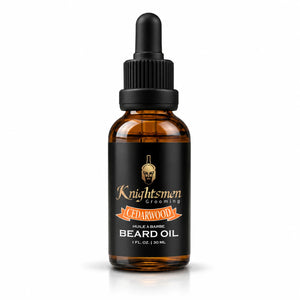
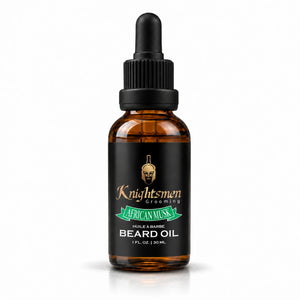
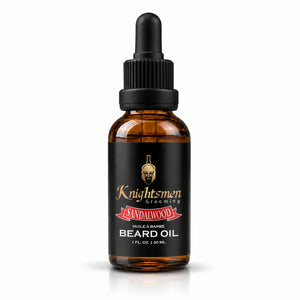
Our organic beard oil collection comes in cedarwood, sandalwood, African musk and unscented. All four are made with certified organic ingredients, with no mineral oil, no parabens and no synthetic fragrance.
What is the difference between cold-pressed and refined oils?
Not all plant oils are made the same way, and the extraction method changes how an oil looks and smells. Cold-pressed oils are pressed mechanically at low temperatures, without chemical solvents. Refined oils are usually extracted with heat and sometimes solvents, then processed further to remove colour, scent and impurities.
In practice, cold-pressed oils tend to keep more of the plant's natural colour and scent, while refined oils are more neutral. The difference is mostly about processing, appearance and personal preference.
When you see "cold-pressed" on a label, remember that it describes how the oil was extracted, not how the plant was grown. Only a certification speaks to the second part, which is why the two belong together on a good label.
Why do some men avoid mineral oil and synthetic fragrance?
Mineral oil is a petroleum-derived oil that is cheap, odourless and common in conventional beard and hair products. It sits on the surface of skin and hair, which gives a smooth feel. Some men prefer plant oils instead, and our oils and balms contain no mineral oil.
On an ingredient list, "parfum" or "fragrance" stands for the scent part of a formula, which can be a blend of many ingredients. Health Canada's labelling guide requires certain fragrance allergens to be named on the list. Men with sensitive skin often choose fragrance-free products, which is why our beard and hair oils and balms come in an unscented Classic version.
The scent in our scented oils and balms comes from essential oils and, for African Musk, a natural fragrance, rather than from synthetic fragrance. Essential oils are strong, so try any new product on a small area of skin first. If a product causes redness or discomfort, rinse it off, and see a doctor if it persists.
Beard oil or beard balm: which one do you need?
It depends on what your beard needs day to day. Beard oil is lightweight and made for daily use. Beard balm adds butters and waxes for light hold and shape. Many men use both, with oil first and a small amount of balm on top. Our beard care collection has both.
| Feature | Beard oil | Beard balm |
|---|---|---|
| Feel | Lightweight, absorbs into the hair and skin | Richer, with light hold |
| Main job | Daily moisture and softness | Shape, control and extra conditioning |
| Best for | Stubble to medium-length beards | Medium to long beards that need taming |
| How to use | A few drops, skin first, on a slightly damp beard | A small amount, warmed between your palms, after the oil |
If you only buy one, make it the oil. Bring in balm once the beard is long enough to need shape.
How do you apply beard oil properly?
The way you apply beard oil matters. If you only rub it on the surface, you miss the skin underneath, which is the part you are moisturizing. Here is the method:
- Apply after a warm shower or face wash.
- Towel-dry until your beard is slightly damp, not dripping.
- Put a few drops of organic beard oil into your palms.
- Work from the skin outward, massaging into the roots first.
- Pull the oil through the length of the beard.
- Finish with a comb or brush to spread it evenly.
Used consistently, beard oil keeps the beard soft and the skin underneath moisturized. The American Academy of Dermatology suggests beard oil for normal to dry skin and advises using it sparingly so the beard does not look greasy. Start with 3 to 5 drops for a short beard and add more only if you need it.
How do hair oil and hair balm work together?
If you want hair that looks good without the stiffness of gel or the grease of heavy styling products, the simplest combination is organic hair oil plus hair balm. Browse both in our hair care collection.
Hair oil conditions the hair and adds shine. Our organic hair oil collection includes tea tree, lavender and bergamot scents, plus an unscented Classic. A few drops through the mid-lengths and ends add moisture and smooth the texture. Our guide to the best hair care routines shows where oil and balm fit in a full routine.
Hair balm is for styling and control. It gives soft hold, natural texture, frizz control and a flexible finish that still looks clean. It is the difference between styled and stiff.
For washing, the Rosemary Hair Growth Shampoo and Conditioner Bundle is made without sulfates or parabens, as the product pages state.
What does a simple organic routine look like?
You do not need twenty products. A few well-made organic essentials and a routine you will actually keep are enough.
| When | Beard | Hair |
|---|---|---|
| Night | Optional: a few more drops of beard oil if the beard feels dry | Massage a few drops of hair oil into the scalp |
| Morning | Wash with a gentle cleanser, then beard oil, and a little beard balm if you need hold | A small amount of hair balm to style |
Used consistently, this keeps your beard and hair soft and neat, without heaviness. Explore the full range: beard care, hair care and skincare, all made with certified organic ingredients in Toronto, Canada.
Frequently asked questions
Is organic beard oil better than regular beard oil?
It depends on what you value. Both condition the beard. Organic oils are grown to organic farming standards and, when certified, backed by an independent check, while conventional oils are not. Neither type of oil changes what beard oil is for, so the choice comes down to sourcing, scent and budget. See our comparison of organic vs. regular beard oil.
How do I know a product is really organic?
Look for a named standard and certifier, such as COSMOS, and check what is certified. Read the ingredient list for named oils and butters near the top. If a pack shows no certification mark, ask the brand which standard and certifier stand behind the claim. Our beard, hair and body care products are made with certified organic ingredients.
How much beard oil should I use?
A few drops: about 3 to 5 for a short beard, 5 to 6 for a medium one and 7 to 10 for a long one. Start with fewer and add more only if the beard still feels dry, because the American Academy of Dermatology advises using beard oil sparingly to avoid a greasy look.
Should I apply beard oil before or after balm?
Oil first, balm second. Apply the oil to a slightly damp beard, massaging it into the skin and drawing it through to the tips. Then warm a small amount of balm between your palms and smooth it over the top for light hold and shape. Use the balm sparingly so the beard does not look heavy.
Can I use hair oil on my scalp?
Yes, many men massage a few drops into the scalp at night and let it soak in. Use only a few drops, since too much oil makes hair look greasy, and wash it out when you shampoo. If you notice redness, soreness or hair that seems to be thinning, see a doctor or dermatologist.
Shop these products
Related guides
- Organic Men's Grooming Products in Canada
- Best Hair Care Routines for Men
- Organic vs. Regular Beard Oil
Sources
- Canadian Food Inspection Agency: Organic products
- Health Canada: Industry guide for the labelling of cosmetics
- American Academy of Dermatology: A dermatologist's top tips for a healthy beard
Knightsmen Grooming products are cosmetics. This guide is general information, not medical advice. If you have a skin or scalp condition, or sudden changes in your hair, see a doctor or dermatologist.