Free Shipping on Orders $100+ — Canada

Short answer: Beard itch is a common problem that often starts with dry skin under the hair. What helps is washing the skin under the beard daily with a gentle cleanser, then moisturizing right away with beard oil and a little balm; if it lasts about four weeks or comes with a rash, see a doctor.
Beard itch is a common reason men shave off a beard they were growing. It is uncomfortable and distracting, and it can make you wonder whether something is wrong with your skin. Often it comes down to dryness and a few habits you can change, but sometimes it needs a doctor. This guide covers both.
Key takeaways
- Dry skin under the beard is a common cause of itch, so moisturize the skin, not just the hair.
- Wash the skin under the beard daily with a gentle, soap-free, fragrance-free cleanser, rinse well and pat dry.
- Work 3–5 drops of beard oil down to the skin once a day, or twice if your skin feels very dry.
- Add a little balm in cold or dry weather to help hold moisture in.
- See a doctor if the itch comes with a rash or sores, or if it lasts about four weeks.

Knightsmen Recommends
Organic Beard Oil | Classic
Formulated with organic carrier oils such as jojoba and argan, the kind of base Step 2 below recommends for dry skin under a beard.
Shop Now →What causes beard itch?
Beard itch often comes from dry skin under the beard, though a few other things can cause it. Cold or dry weather and certain shampoos and soaps can leave skin dry, according to the Cleveland Clinic, and the American Academy of Dermatology notes that without moisturizer the skin beneath a beard can become dry, flaky and itchy. Hair also gets in the way: a thicker or longer beard can keep products from reaching the skin underneath, which is why technique matters. Here is how the common causes compare:
| Possible cause | What you may notice | What to try |
|---|---|---|
| Dry skin under the beard | Tight, itchy skin; a dry, rough-feeling beard | Moisturize the skin daily with beard oil; add balm in cold weather |
| Harsh cleansers (some soaps and shampoos) | Itch and tightness after washing; fine flakes | Switch to a gentle, soap-free, fragrance-free cleanser; rinse well and moisturize right after |
| A new beard (first 2–4 weeks) | Prickly stubble; small bumps where hairs curl back into the skin | Keep the skin moisturized and don't pick at the hairs |
| Something else | A rash, sores, pus, spreading redness, hair loss, or itch lasting about four weeks | See a doctor or dermatologist |
How to stop beard itch fast
Moisturize the skin, wash gently and hold moisture in.
Step 1: Apply beard oil directly to the skin
Many men apply beard oil to the surface of the hair and never reach the skin. To get it where it counts:
- Warm the beard with a damp towel, or apply right after washing or showering.
- Pour 3–5 drops into your palm and rub your hands together.
- Work from the skin outward, pushing your fingers through the beard until they touch the skin.
- Do this daily, or twice daily if your skin feels very dry.
Our guide to using beard oil the right way has more detail.
Step 2: Choose the right oil
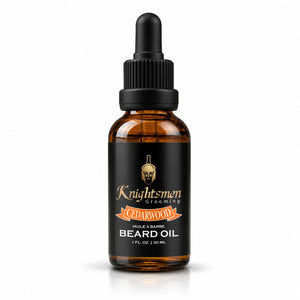
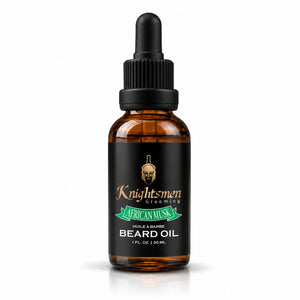
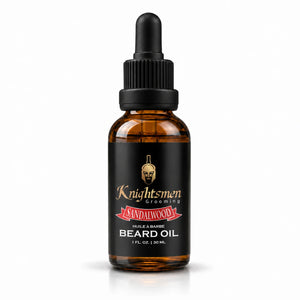
For dry skin, look for a beard oil built on jojoba and argan as the primary carriers. Jojoba is often described as similar to the skin's own oils (see our jojoba oil guide). If fragrance bothers your skin, choose a fragrance-free oil such as Organic Beard Oil | Classic. Otherwise pick a scent: clean and woodsy Cedarwood, warm and grounding Sandalwood, or warm and woody African Musk. If your skin is oily or very sensitive, talk to a dermatologist about what suits it.
How should I wash and seal an itchy beard?
Wash the skin daily with a gentle cleanser, moisturize right away, then hold moisture in with a little balm.
Step 3: Wash daily with a gentle cleanser
The American Academy of Dermatology advises washing your face and beard every day with a gentle, soap-free cleanser; for dry skin it suggests a hydrating, fragrance-free one. Rinse really well with lukewarm water, pat dry gently, and moisturize right away while the skin is still a little damp. Regular shampoo and harsh body soap can dry the skin, so keep them off your face; a sulfate-free cleanser is a good choice. If your beard is long or your skin is very dry, a lighter wash on some days is fine. Our beard washing guide has the full method.
Step 4: Use beard balm to seal in moisture
Beard balm is the second step in a complete routine. After the oil, a small amount of beard balm (shea butter, beeswax and carrier oils) leaves a light protective layer that helps hold moisture in. That matters most in cold or dry weather, and Canadian winters especially.
What doesn't help an itchy beard?
Scratching, harsh cleansers and thin, scented lotions don't help, and shaving only makes sense if you are willing to lose the beard.
- Scratching feels good for a moment, but it can irritate the skin further.
- Anti-itch creams are best checked with a doctor, dermatologist or pharmacist before you use one on your face. The American Academy of Dermatology notes that many contain ingredients that can irritate overly dry skin.
- Thin, scented body lotion is hard to work through beard hair, and fragrance can bother some skin. If you want a lotion, choose a fragrance-free face moisturizer.
- Regular shampoo or body soap on your face can dry the skin.
- Shaving is always an option, but if you want to keep the beard, look after the skin underneath instead.
How long does beard itch last?
It depends on the cause, so there is no set timeline.
- Dry skin: follow the routine consistently and keep the skin moisturized.
- A new beard: in the first 2–4 weeks of growth, short new stubble can curl back into the skin (ingrown hairs). This phase usually passes as the hairs grow past the skin surface, and moisturizing is still worth doing in the meantime.
- Flakes (often called beardruff): flaking from dryness tends to follow the same pattern as the itch, so the same routine applies; see our beard dandruff guide for more. Greasy, red or stubborn flakes are worth showing to a doctor.
If the itch is still there after about four weeks of consistent, gentle care, it may not be simple dryness, so see a doctor or dermatologist.
When should I see a doctor about beard itch?
See a doctor or dermatologist if the itch lasts about four weeks despite gentle care, or if you notice any of the signs below.
- A rash, sores, blisters, pus or crusting
- Redness or swelling that spreads
- Patches of hair loss
- Greasy, yellowish or stubborn scaling that does not improve
- Burning or stinging after you apply any product, including beard oil
These can point to something other than dry skin, such as eczema, psoriasis or an infection, and a doctor can tell you which, so get medical advice rather than guessing. Beard oil and balm are cosmetics and are not a treatment for any skin condition.
Frequently asked questions
Does beard oil help with beard itch?
That depends on the cause. Beard oil moisturizes the skin and softens the hair, so a dry, tight-feeling beard feels more comfortable. Apply 3–5 drops once a day and work them down to the skin, not just the surface of the hair. Beard oil is a cosmetic, not a treatment: if the itch comes with a rash or sores, or lasts about four weeks, see a doctor.
How often should I wash an itchy beard?
Wash the skin under your beard every day with a gentle, soap-free cleanser; for dry skin, the American Academy of Dermatology suggests a hydrating, fragrance-free one. Rinse really well with lukewarm water, pat dry and moisturize right away. If your beard is long or your skin is very dry, a lighter wash on some days is fine.
What is the best oil for an itchy beard?
Choose a beard oil built on light carrier oils such as jojoba and argan. If fragrance bothers your skin, pick a fragrance-free formula like Organic Beard Oil | Classic. Otherwise choose the scent you like: Cedarwood is clean and woodsy, Sandalwood is warm and grounding, and African Musk is warm and woody. The scented oils use the same organic carrier base as the Classic.
Can I use coconut oil for beard itch?
Some men do, but pure coconut oil on its own is thick, can feel heavy and greasy in a beard, and does not suit every skin type, so try a small patch first. A purpose-made beard oil blends lighter carrier oils such as jojoba and argan, which makes it easier to spread and work down to the skin. If a product makes your skin burn or sting, stop using it.
Why does my beard itch more in winter?
Cold air holds less moisture than warm air, and indoor heating dries it further, so skin can feel drier and tighter in winter. Cold weather and dry conditions are a recognized cause of dry skin, according to the Cleveland Clinic. Many men apply oil twice a day in winter and layer a little balm over it to help hold moisture in.
Is it normal for a new beard to itch?
Itch is common in the first few weeks of a new beard, when short, stiff hairs can poke or curl back into the skin. Keep the skin moisturized, avoid picking or scratching at the hairs, and give it time. If the itch comes with a rash or sores, or is still there after about four weeks, see a doctor.
Shop these products
Related guides
Sources
- American Academy of Dermatology: A dermatologist's top tips for a healthy beard
- American Academy of Dermatology: Dermatologists' tips for dry skin
- Cleveland Clinic: What may be causing your itchy beard
Knightsmen Grooming products are cosmetics. This guide is general information, not medical advice. If you have a skin or scalp condition, or sudden changes in your hair, see a doctor or dermatologist.