Free Shipping on Orders $100+ — Canada


Short answer: Rosemary and tea tree shampoo is a sulfate-free hair wash made with two classic scalp-care oils; it cleanses the scalp and hair, and a matching conditioner adds moisture and makes hair easier to comb. It is a cosmetic, not a medical treatment, so judge it by how clean and soft your hair feels.
Most shampoo labels promise a lot and explain little. This guide covers what rosemary oil and tea tree oil are, why they are paired, how to use the shampoo and conditioner, and what to expect.
Key takeaways
- Rosemary oil and tea tree oil are essential oils with fresh, herbal scents, and both are classic ingredients in scalp care.
- Shampoo cleanses and conditioner adds moisture. Like any shampoo, this one cannot grow hair by itself, and it is not a medical treatment.
- Put shampoo on the scalp and conditioner on the lengths, and wash as often as your hair needs.
- Tea tree oil should not be swallowed, and some people react to it, so patch test a new product.
- See a doctor or dermatologist about sudden or patchy hair loss.

Knightsmen Recommends
Rosemary Hair Growth SHAMPOO with Vitamin E, Tea Tree and Cedarwood
The shampoo this guide covers: organic rosemary, tea tree and cedarwood oils in a sulfate-free formula that cleanses the scalp and hair.
Shop Now →What is rosemary oil doing in a shampoo?
Rosemary oil is an essential oil from the rosemary plant, and it is a classic ingredient in hair care. It has a fresh, herbal scent. On the ingredient list it appears as organic rosemary oil (Rosmarinus officinalis), and our product page calls it a classic hair-care ingredient that helps promote healthy hair growth.
Keep that in proportion. Research on rosemary oil and hair is limited, and rosemary oil is not a medical treatment. A shampoo is a rinse-off cosmetic. It cleanses, and the rosemary in it is one part of a routine. Our rosemary oil guide explains what is and is not known.
What does tea tree oil add to the formula?
Tea tree oil adds a clean, sharp, herbal scent, and it is a classic ingredient in scalp care. It is an essential oil steam-distilled from the leaves of the tea tree (Melaleuca alternifolia), a plant native to Australia, according to the National Center for Complementary and Integrative Health, part of the US National Institutes of Health. In this shampoo it is there to help the scalp feel clean and refreshed.
It also calls for a little care. The same page says tea tree oil should not be swallowed, and that while most people can use products containing it without problems, some develop redness or irritation. That is more likely if the product is old or has been exposed to heat, light or air. Patch test any new product, and keep shampoo out of your eyes. Our tea tree oil guide goes deeper.
Why are rosemary and tea tree paired in one shampoo?
They are two classic scalp-care oils with complementary scents, and together with cedarwood they give the shampoo a clean, woodsy character. The pairing is a formulation choice, not a medical one. The cleansing base is sulfate-free with no parabens, and the shampoo is made in Canada. Here is how the two oils compare:
| At a glance | Rosemary oil | Tea tree oil |
|---|---|---|
| What it is | An essential oil from the rosemary plant | An essential oil steam-distilled from tea tree leaves |
| Plant | Rosmarinus officinalis, a Mediterranean herb | Melaleuca alternifolia, native to Australia |
| Scent | Fresh and herbal | Clean, sharp and herbal |
| Role in this shampoo | A classic hair-care ingredient | A classic scalp-care ingredient that helps the scalp feel clean and refreshed |
| Care | Keep out of eyes; patch test | Do not swallow; patch test; some people react to it |
How do you use the rosemary shampoo and conditioner?
Shampoo goes on the scalp and conditioner goes on the lengths, which is how the American Academy of Dermatology suggests using both. Here is the routine:
- Wet your hair thoroughly.
- Apply the shampoo to your scalp and work up a lather.
- Massage for one to three minutes, then rinse thoroughly.
- Apply the conditioner to the lengths of your hair, leave it in for two to three minutes, then rinse.
Wash as often as your hair needs. The AAD suggests basing it on how quickly your hair gets dirty or oily, so some people with oily scalps wash daily, while dry, curly or thick hair may need washing less often. Our product page suggests using this shampoo three to five times a week, so cut back if your hair is dry.
What should you expect from this shampoo?
Expect a clean scalp, a fresh herbal and woodsy scent and, with the conditioner, hair that feels softer and combs more easily. Do not expect this shampoo to change how your hair grows. Hair grows about 4 to 6 inches a year on average, according to Cleveland Clinic, so any difference in length takes months to show, and a shampoo cannot change that by itself.
Judge the shampoo by what it is made to do: cleanse, condition and leave your hair easy to manage. If your hair is shedding more than usual, or you notice patches or fast thinning, see a doctor or dermatologist instead of waiting for a shampoo to help.
Which Knightsmen products pair with it?
Start with the matching conditioner, then add an oil or balm if your hair wants it.
- Rosemary Hair Growth CONDITIONER with Vitamin E, Tea Tree and Cedarwood follows the shampoo to add moisture and make hair easier to comb.
- Rosemary Hair Growth SHAMPOO & CONDITIONER BUNDLE with Vitamin E and Tea Tree gives you both in one purchase.
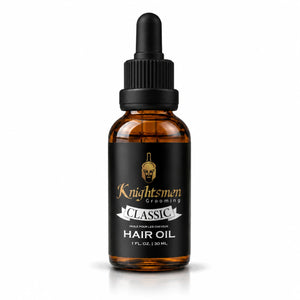
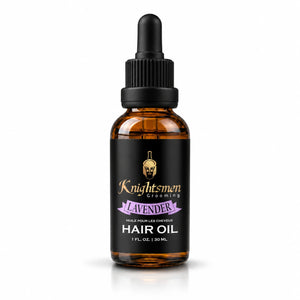
- Organic Hair Oil | Tea Tree is a pre-wash oil for the scalp: apply, massage for 2 minutes, leave it for 10 to 15 minutes, then shampoo out.
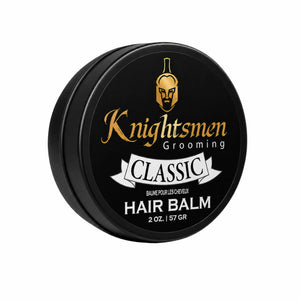
- Organic Hair Balm | Tea Tree gives light hold with a tea tree scent that fades within the hour.
- Hair Growth Starter Kit includes one hair oil and one hair balm in your choice of scent.
Frequently asked questions
Does rosemary shampoo make hair grow?
No shampoo can grow hair by itself. Rosemary and tea tree shampoo cleanses the scalp and hair, and with the matching conditioner it leaves hair softer and easier to comb. We formulate it with rosemary oil, a classic hair-care ingredient, to help promote healthy hair growth as part of a routine. For sudden or patchy hair loss, see a doctor.
How often should I use rosemary and tea tree shampoo?
That depends on your hair. The American Academy of Dermatology suggests washing based on how often your hair gets dirty or oily, from daily for some oily scalps to much less often for dry, curly or thick hair. Our product page suggests three to five times a week, so use it less often if your hair feels dry, and follow it with conditioner.
Is tea tree oil safe for everyone?
Not necessarily. The NIH's National Center for Complementary and Integrative Health says most people can use topical products containing tea tree oil without problems, but some develop redness or irritation, and it should never be swallowed. Patch test a new product on a small area of skin first, and if a reaction lasts, talk to a doctor.
Do I need conditioner after rosemary shampoo?
It helps. Shampoo cleanses, and conditioner moisturizes and detangles, according to the AAD. Put shampoo on the scalp and conditioner on the lengths: the ends if your hair is fine or straight, the whole length if it is dry or curly. The Rosemary Hair Growth CONDITIONER is made to follow this shampoo.
Is the shampoo sulfate-free?
Yes. The product page lists the shampoo as sulfate-free and paraben-free, and it is made in Canada. Its cleansing base uses surfactants such as decyl glucoside and cocamidopropyl betaine instead of sulfates. The full ingredient list is on the shampoo page, so you can check it against anything you prefer to avoid.
Related: Best Shampoo and Conditioner for Men in Canada (2026)
Knightsmen Grooming products are cosmetics. This guide is general information, not medical advice. If you have a skin or scalp condition, or sudden changes in your hair, see a doctor or dermatologist.
Shop These Products
Rosemary Hair Growth Shampoo Rosemary Hair Conditioner Shampoo + Conditioner Set