Free Shipping on Orders $100+ — Canada


Short answer: Sun damage to hair is the dryness, roughness and colour change that can follow long hours in direct sun. The simplest step is to cover up with a wide-brimmed hat and use shade, then rinse your hair after swimming and condition it. Hair products condition hair; they are not sun protection.
Most men think about sun safety for their skin and not for their hair. If you spend summers outdoors, a few habits help keep your hair and scalp comfortable: shade, a hat, rinsing after swimming and regular conditioning. This guide covers what the sun can do to hair, what to do about it, and where to find official sun safety advice.

Knightsmen Recommends
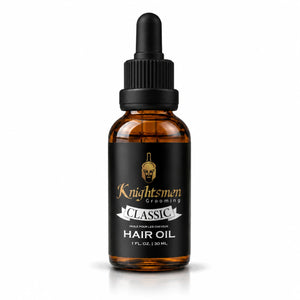
Organic Hair Oil | Classic
Unscented organic hair oil in a 30 ml bottle, handcrafted in small batches in Toronto. Smooth a drop or two over dry lengths to condition hair and add shine.
Shop Now →Key takeaways
- According to the American Academy of Dermatology (AAD), UV exposure can change hair colour and leave it dry, brittle and frizzy, and lighter hair is more susceptible than darker hair.
- A wide-brimmed hat, shade and limiting time in direct midday sun are the practical steps. Hair oil, balm and shampoo condition hair; they are not sun protection.
- Rinse your hair right after swimming, then wash with a moisturizing shampoo and condition.
- Condition dry, sun-exposed hair regularly, limit heat styling and trim the ends when they feel rough.
- For your scalp and for sunscreen, follow Health Canada's sun safety guidance.
What can the sun do to your hair?
Long exposure to direct sun can change the colour of hair and leave it feeling dry and rough. The AAD says UV damage breaks down the proteins in hair and also changes its colour, and that this shows up as dry, brittle, frizzy hair that lacks shine. It adds that lighter, blond or grey hair is more susceptible than darker shades.
Swimming matters too: the AAD recommends rinsing your hair immediately after swimming and following up with a deep conditioner to help restore moisture. Because these changes build up over a whole summer, they are easy to put down to something else, which is why it helps to know the signs.
What are the signs of sun-exposed hair?
If you notice any of the following after a summer outdoors, sun, water and heat may all be playing a part:
- Hair that feels dry or brittle even though you condition it regularly.
- More split ends and breakage than usual.
- Colour that has faded, lightened or turned warmer in tone.
- Hair that looks dull and feels rough instead of smooth.
- Tangles and knots that form more easily.
These signs can also come from heat styling, rough towel-drying or frequent swimming, so look at the whole picture before blaming one cause. Light hair tends to show the change first, since the AAD says lighter, blond or grey hair is more susceptible than darker shades.
How do you protect your hair and scalp from the sun?
The most reliable steps are the simple ones. The AAD suggests wearing a wide-brimmed hat to cover your hair. Health Canada's sun safety basics recommend a wide-brimmed hat made from breathable fabric, shade, and keeping out of the sun and heat between 11 a.m. and 3 p.m. When the UV Index is 3 or higher, Health Canada advises protecting your skin as much as possible.
Your scalp is skin too, and it is more exposed when your hair is short or buzzed, or when there is less hair on top. A hat covers it, and shade helps when the hat comes off. For sunscreen, including which to choose and when to use it, follow Health Canada's guidance rather than a hair product. If you dislike hats, shade is the next best thing: an umbrella, an awning or a tree during the middle of the day.
What should you do for your hair after a day in the sun or the water?
Rinse first. The AAD advises rinsing your hair immediately after swimming, and the same habit makes sense after the lake, the ocean or a sweaty day outdoors. Then wash with a moisturizing shampoo and follow with conditioner. The AAD suggests a deep conditioner after swimming to help restore moisture.
Finish with a drop or two of hair oil on the mid-lengths and ends to condition and soften them. Our rosemary shampoo and conditioner bundle cleanses and conditions, and our organic hair oils come in Bergamot, Lavender, Tea Tree and Classic (unscented). They are cosmetics that condition hair, not sun protection.
How do you look after dry, sun-exposed hair through the summer?
Condition at every wash, and add a weekly deep-conditioning session: work conditioner or hair oil through clean, damp hair, leave it on for 20 to 30 minutes, then rinse. Between washes, a drop or two of hair oil on dry mid-lengths and ends conditions and softens the driest part of the hair.
Limit heat styling. The AAD notes that excessive heat can cause damage, and suggests low or medium heat settings if you use tools. Trim off split ends when they appear, because they cannot be repaired, only cut off. Hair grows slowly, so dry lengths are looked after with consistent, gentle care until they are trimmed away, rather than with any single product. For more on conditioning routines, see our guide to hair care in cold weather.
What about your beard in the sun?
The skin on your cheeks, nose, ears and neck is exposed to the sun like any other skin, so a hat and shade matter here too, and Health Canada's sun safety guidance applies to it. Like the hair on your head, a beard can feel drier after long days in sun, wind and water, so keep it conditioned.
Use a few drops of beard oil on a slightly damp beard and a little beard balm for light hold, and rinse your beard after swimming as you would your hair. These are conditioning steps for the hair, not sun protection. Our beard oil guide explains how much to use, and the full beard care range is made in Canada.
What does a summer hair routine look like?
The routine is short. This table puts the steps next to the source or reason for each one.
| Situation | What to do | Why |
|---|---|---|
| Outdoors in strong sun | Wear a wide-brimmed hat and use shade | Recommended by the AAD and by Health Canada |
| Middle of the day | Keep out of direct sun and heat between 11 a.m. and 3 p.m. where you can | Health Canada sun safety basics |
| After swimming | Rinse right away, wash with a moisturizing shampoo, then condition | The AAD advises rinsing immediately and using a deep conditioner |
| Dry, sun-exposed hair | Condition every wash, and add a drop or two of hair oil on dry lengths | Cosmetic conditioning for dry hair |
| Once a week | A deep-conditioning session of 20 to 30 minutes | Extra conditioning for the driest hair |
| Styling | Limit heat tools and use low or medium heat | The AAD notes excessive heat can cause damage |
| Rough, split ends | Trim them off | Split ends cannot be repaired |
Frequently asked questions
Can the sun damage your hair?
Yes. The American Academy of Dermatology says UV damage breaks down the proteins in hair and changes its colour, which can show up as dry, brittle, frizzy hair that lacks shine. It adds that lighter, blond or grey hair is more susceptible than darker hair. A hat and shade are the practical answer.
Does hair oil protect hair from the sun?
No. Hair oil conditions and softens hair and adds shine, but it is a cosmetic, not a sunscreen, and it does not replace a hat or shade. For the sun safety of your skin and scalp, including sunscreen, follow Health Canada's guidance. Use hair oil afterwards to condition hair that feels dry.
Should I rinse my hair after swimming?
Yes. The AAD advises rinsing your hair immediately after swimming, then washing with a shampoo made for swimmers and following up with a deep conditioner to help restore moisture. The same rinse is a sensible habit after a lake or the ocean, even though the AAD page is written about pools.
Do I need a hat if I have short hair?
Yes. Short hair covers less of your scalp, and the scalp is skin, so Health Canada's advice applies: a wide-brimmed hat made from breathable fabric, shade, and keeping out of the sun and heat between 11 a.m. and 3 p.m. Follow its guidance on sunscreen for any skin the hat does not cover.
What can I do about sun-lightened hair?
Conditioning and trimming help dry, sun-exposed hair feel softer and look tidier, but they will not bring back a colour the sun has lightened. If the colour bothers you, a barber or colourist can advise on options. A hat and shade help limit further change.
Knightsmen Grooming products are cosmetics. This guide is general information, not medical advice. If you have a skin or scalp condition, or sudden changes in your hair, see a doctor or dermatologist.
Sources
- American Academy of Dermatology: Must-try summer hair care
- American Academy of Dermatology: Tips for healthy hair
- Health Canada: Sun safety basics