Free Shipping on Orders $100+ — Canada

Short answer: A low taper fade is a haircut where the hair on the sides and back graduates gradually shorter from just above the ear and along the natural hairline, down to skin or very close at the bottom edge. It is the most understated fade and works in almost every context.
Key takeaways
- It starts low, just above the ear and along the natural hairline at the back of the neck.
- A low taper is gradual and does not necessarily reach skin; a low fade typically reaches skin for a sharper edge.
- It suits straight, wavy, curly and coily hair and most dress codes, and it is the best fade for oblong faces.
- Most men can go 3–4 weeks between cuts, and a weekly neckline trim adds another week or two.
- To ask for it: a low taper on the sides and back, plus your top length and where the fade line should sit.
The low taper fade is the most understated cut in the fade family. It doesn't shout. It cleans up the sides and back without removing much length, keeps the overall silhouette natural, and works in almost every context — job interviews, casual weekends, formal events. If you want to look put-together without committing to a dramatic haircut, this is the one.
What is a low taper fade?
The fade starts low — just above the ear and along the natural hairline at the back of the neck. From that point the hair graduates gradually shorter, down to skin or very close at the bottom edge. The sides above the fade stay at their natural length or are scissor-cut to blend — there's no dramatic contrast between the top and sides like you'd see with a mid or high fade.
The result is a clean, conservative finish that looks intentional without being aggressive. It removes the shaggy sideburn growth and neckline scruff that makes an otherwise decent hairstyle look unkempt, while keeping the overall shape of the hair intact.
Low taper fade vs. low fade — what's the difference?
These terms are often used interchangeably, but there is a technical distinction worth knowing before you sit in the chair.
A low fade typically means the hair fades to skin level at the bottom edge, with the transition zone starting low (just above the ear). The contrast between the faded edge and the hair above it can still be noticeable depending on how quickly the fade graduates.
A low taper usually means a slower, more gradual transition that doesn't necessarily reach skin — the hair just gets progressively shorter toward the neckline and ear without fully fading out. It's the more conservative of the two.
In practice: if you want a clean edge but softer contrast, ask for a low taper. If you want a sharper finish with skin visible at the edges, ask for a low fade. Most barbers will understand either.

Knightsmen Recommends
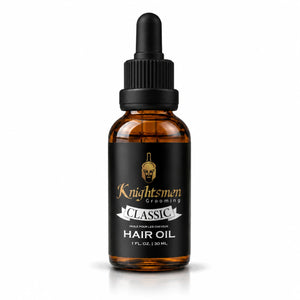
Organic Hair Oil | Classic
The everyday oil for the length left on top of a low taper — softens texture and adds shine without weighing the style down.
Shop Now →Who the low taper fade works for
Nearly everyone. It's the fade that crosses dress codes — professional environments that don't welcome a skin fade still accommodate a low taper easily. Men with conservative workplaces often find the low taper is the only fade they can consistently wear without pushback.
It suits all hair types: straight, wavy, curly, and coily hair all carry a low taper well because the fade zone is small enough that texture variations in the mid-section don't create awkward transitions.
Face shape considerations:
- Round faces: A low taper is less effective at creating length illusion than a mid or high fade, but it still provides more definition than no fade. Style the top with height to compensate.
- Oval and square faces: Works naturally — the low taper enhances what's already there without competing with strong features.
- Oblong faces: The low taper is the best fade option here — it keeps the sides fuller, which adds visual width and prevents the face from looking longer.
How to ask for it
The clearest description: "Low taper on the sides and back — keep the sides relatively full, just clean up the edges and fade the bottom to skin." Add your preferred top length and any styling preferences.
If you want to be more specific: tell the barber where you want the fade line to sit (just above the ear, or following the natural hairline), and whether you want the neckline squared, rounded, or tapered to a natural point.
Styling it at home
Because the low taper keeps more length on the sides, the top-to-sides ratio is more balanced than with higher fades. This means the top doesn't need to carry the look on its own — you have flexibility to wear it natural, slicked, textured, or swept.
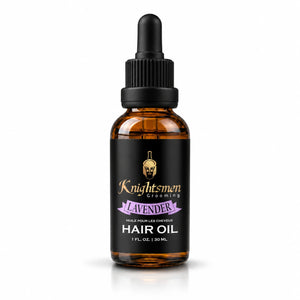
For softness and frizz control, Knightsmen Lavender Hair Oil applied to towel-dried hair before styling adds moisture and reduces flyaways without weighing the hair down. The lavender scent is soft and floral. The plant-oil base conditions the hair and helps it feel smoother and more manageable — particularly useful for men with naturally dry or coarse hair.
For light hold and a natural finish, follow with Lavender Hair Balm. A small amount warmed between the palms and worked through dry or slightly damp hair shapes without stiffness. The shea butter and beeswax formula holds through the day and washes out cleanly.
Maintenance
The low taper grows out more gracefully than mid or high fades — the fade zone is smaller, so the transition softens gradually rather than disappearing sharply. Most men can go 3–4 weeks between cuts and still look presentable. At 4–5 weeks the neckline and sideburn area start to look rough, which is usually the prompt for most men to book a trim.
Keeping the neckline clean between visits makes a noticeable difference. A basic trimmer on the lowest setting, used weekly along the natural neckline, extends the fresh-cut look by another week or two.
Frequently asked questions
What is a low taper fade?
A low taper fade is a haircut where the sides and back gradually shorten from the ear level downward, fading to skin or very close at the neckline and ear. The transition starts low — just above the natural hairline — keeping the overall shape of the hair mostly intact while cleaning up the edges.
What is the difference between a low fade and a low taper?
A low fade typically fades all the way to skin at the bottom edge. A low taper gradually reduces length without necessarily reaching skin — it's more conservative. A low fade creates a sharper, more visible contrast at the edge; a low taper blends more naturally into the neckline.
Is a low taper fade good for professional settings?
Yes — the low taper fade is the most workplace-appropriate of the fade variations. It cleans up the edges and neckline without the dramatic skin contrast of a mid or high fade. Most professional environments that maintain conservative grooming standards accommodate a low taper without issue.
How long does a low taper fade last?
3–4 weeks before it needs a trim. The low taper grows out more gracefully than higher fades because the transition zone is smaller — the edges soften gradually rather than disappearing abruptly. Keeping the neckline cleaned up at home between barber visits extends the fresh look by another week or two.
What products should I use with a low taper fade?
A lightweight hair oil applied to damp hair for moisture and frizz control, followed by a light-hold hair balm for shape. Because the low taper keeps more side length than other fades, the styling product choice matters more — heavier products can weigh down the fuller sides. A natural, non-greasy formula works best.
What are the key facts at a glance?
| Topic | What to know |
|---|---|
| Where it starts | Just above the ear and along the natural hairline at the back of the neck |
| Low taper vs. low fade | A low taper is a slower, more gradual transition that does not necessarily reach skin; a low fade typically goes to skin level at the bottom edge for a sharper finish |
| Hair types | Straight, wavy, curly and coily hair all carry it well, because the fade zone is small |
| Face shapes | Natural on oval and square faces and the best fade option for oblong faces; on round faces, style the top with height |
| Time between cuts | Most men can go 3–4 weeks; at 4–5 weeks the neckline and sideburn area start to look rough |
| Between cuts | A basic trimmer on its lowest setting, used weekly along the natural neckline, extends the fresh-cut look by another week or two |
What are the most common questions about the low taper fade?
Which face shapes suit a low taper fade?
It works naturally on oval and square faces, enhancing what is already there without competing with strong features. It is the best fade option for oblong faces, because it keeps the sides fuller, which adds visual width. On round faces it is less effective at creating a sense of length than a mid or high fade, but it still gives more definition than no fade, so style the top with height.
Does a low taper fade work on curly or coily hair?
Yes. A low taper suits all hair types, including straight, wavy, curly and coily hair, because the fade zone is small enough that texture differences in the mid-section do not create awkward transitions. The balanced ratio between the top and the sides also gives you the flexibility to wear the top natural, slicked, textured or swept.
How do I ask my barber for a low taper fade?
Ask for a low taper on the sides and back, keep the sides relatively full, and have the edges cleaned up. Add your preferred top length and any styling preferences. To be more specific, say where the fade line should sit (just above the ear, or following the natural hairline) and whether the neckline should be squared, rounded or tapered to a natural point. Read how to choose a good barber for more.
How do I keep my neckline clean between barber visits?
At 4–5 weeks the neckline and sideburn area start to look rough, which is usually the cue to book a trim. Between visits, use a basic trimmer on its lowest setting along the natural neckline once a week; that extends the fresh-cut look by another week or two. The low taper also grows out more gracefully than a mid or high fade, because the fade zone is smaller and the transition softens gradually.
How does a low taper fade differ from a mid or high fade?
A low taper starts lower, removes less length and creates less contrast between the top and the sides than a mid or high fade. It grows out more gracefully and is easier to wear in conservative workplaces, while a mid or high fade does more to create a sense of length on a round face. The mid taper haircut guide covers the next step up.
Knightsmen Grooming products are cosmetics. This guide is general information, not medical advice. If you have a skin or scalp condition, or sudden changes in your hair, see a doctor or dermatologist.