Free Shipping on Orders $100+ — Canada


Short answer: Hair health is the condition of your hair strands, the scalp skin they grow from and the follicles beneath it. For most men it comes down to washing in a way that suits their hair, caring for the scalp, limiting heat and rough handling, eating well, and noticing changes early.
Many men treat hair care as an afterthought: wash it when it looks dirty, add some product to style it, visit the barber when it gets annoyingly long. That works day to day, but habits add up over the years. This guide explains what hair health means, which everyday habits damage hair, and what a simple routine looks like. It also covers when a change deserves a doctor's attention. For the whole-body picture, see our guide to supporting healthy beard and hair growth.
Key takeaways
- Hair health has three layers: the follicle, the scalp skin and the hair strand. Everyday care mostly affects the last two.
- Wash according to your hair type and how oily your scalp gets. Shampoo the scalp, and condition the ends.
- Heat, rough towelling, wet brushing, tight styles and harsh chemical processing can all damage hair.
- A balanced diet, enough sleep and a handle on stress support healthy hair. Supplements mainly help if you are low in something.
- Sudden, patchy or heavy shedding, or a sore, itchy or burning scalp, is a reason to see a doctor or dermatologist.

Knightsmen Recommends
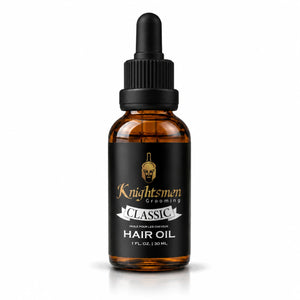
Organic Hair Oil | Classic
The unscented pick from Knightsmen's hair oil collection: a fragrance-free organic oil for the 2-3x weekly scalp massage this guide describes.
Shop Now →What does "hair health" actually mean?
Hair health covers three layers. The follicle is the structure in the scalp that produces each hair, and your genes largely control it. The scalp is the skin around the follicles. The hair shaft is the strand you see above the skin.
Everyday care mostly affects the last two: how clean, moisturized and comfortable your scalp is, and how well each strand holds up to washing, combing, heat and styling. The visible strand is non-living, so conditioners and oils work by smoothing and coating it, not by changing how it grows. That is why protecting the hair you already have matters as much as anything you apply.
Why does hair health matter for men?
Hair health matters for how you look, how you feel and how early you notice changes. Hair is one of the first things people notice, and well-kept hair at any length or style usually reads as care and attention to detail. Knowing your hair and scalp are comfortable is worth taking seriously on its own.
There is a practical reason too. Hair changes with age, and much of that is inherited, so no product or routine changes your genes. The NHS notes that most hair loss is either temporary or a normal part of getting older. What good habits do is keep the hair you have looking its best and help you notice unusual changes early, while heat damage, rough handling and a neglected scalp add up quietly over the years.
How often should men wash their hair?
It depends on your hair type and how oily your scalp gets, not on a fixed schedule. The American Academy of Dermatology says straight hair with an oily scalp may need daily shampooing, while dry, textured, curly or thick hair needs shampoo only when needed. Choose products made for your hair type.
Technique matters as much as frequency. Apply shampoo to the scalp rather than the whole length of the hair, and rinse well. Then condition: the ends for fine or straight hair, the full length for dry or curly hair. If you would like a matched pair, the Rosemary Hair Growth Shampoo & Conditioner Bundle is free of sulfates and parabens and contains rosemary oil and tea tree oil.
Why does the scalp matter as much as the hair?
The scalp is skin, so it benefits from the same basics as the rest of your skin: gentle cleansing and moisture. Many men condition from mid-length to the ends and ignore the scalp itself. If yours feels tight or dry, a light hair oil is an easy way to moisturize it.
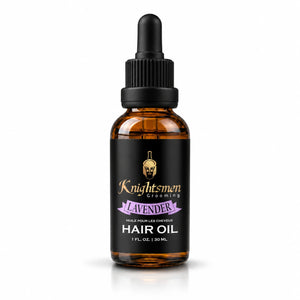
A common routine is a hair oil two or three times a week: work a few drops into the scalp with your fingertips, not your nails, and comb the rest through the lengths. Organic Hair Oil | Tea Tree has a clean scent that fades quickly, Bergamot smells of fresh citrus, Lavender is the floral choice, and Organic Hair Oil | Classic has no added fragrance. Massage is a pleasant habit, but research on scalp massage is small and early, so do not expect it to change your hair.
What styling and heat habits damage hair?
Heat, rough handling, tight styles and strong chemical processing can all damage hair. This table pairs each with a gentler habit.
| Habit | Why it matters | What to do instead |
|---|---|---|
| Frequent high-heat styling | Excessive heat can damage any hair type | Limit blow-drying and irons; use low or medium heat and a heat-protectant product |
| Rubbing wet hair with a towel | Rough rubbing can damage hair | Blot with a towel or T-shirt |
| Brushing wet hair | Wet hair is especially fragile | Detangle with a wide-tooth comb |
| Tight ponytails, braids and extensions | Hairstyles that pull tightly are a recognized cause of hair loss | Wear styles looser, or vary them |
| Bleach, perms and strong processing | Processing can damage hair | Space treatments out and ask a stylist about your hair's condition |
| Skipping trims | Split ends can run up the strand and cause more breakage | Get regular trims, even while growing hair out |
How do diet, sleep and stress affect hair?
They matter through your general health. A balanced diet is the first step, and Cleveland Clinic lists not getting enough iron or protein among the recognized causes of increased shedding. If you notice more shedding than usual, ask a doctor about a blood test before buying supplements. Supplements are most useful when you are actually low in something, and more is not better: too much vitamin A can itself cause hair loss.
Stress works on a delay. The AAD says high stress, a high fever, surgery or major weight loss can lead to excessive shedding, which most people notice a few months after the event, and which usually stops as the body readjusts. The Government of Canada advises adults aged 18 to 64 to get 7 to 9 hours of good-quality sleep a night.
What does a simple hair health routine look like?
For most men it is short:
- Wash as often as your hair type and scalp need, shampooing the scalp and rinsing well.
- Condition the ends, or the full length if your hair is dry or curly.
- Two or three times a week, work a few drops of hair oil, such as Organic Hair Oil | Tea Tree, into the scalp and through the lengths.
- Detangle wet hair with a wide-tooth comb, blot it dry, and use a heat-protectant product whenever you use heat.
- Trim regularly to remove split ends.
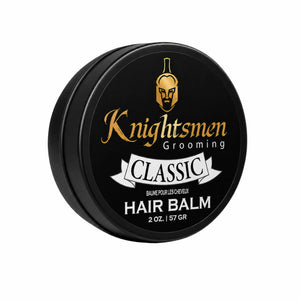
- For hold, use a little balm: Organic Hair Balm | Classic is fragrance-free and conditions as it styles.
Our organic hair oil collection is an easy place to start, the full range is in our hair care collection, and our hair care routines guide covers more styles and hair types.
Where do rosemary products and the starter kit fit in?
They are optional extras on top of the basics, not a replacement for them. Rosemary is a traditional ingredient in scalp care. Our Rosemary Hair Growth Shampoo and Rosemary Hair Growth Conditioner contain rosemary oil and tea tree oil, the shampoo adds a clean, woodsy cedarwood scent, and both are free of sulfates and parabens. Research on rosemary oil and hair is limited, and it is not a medical treatment, so choose them for how they feel, smell and condition.
If you want a ready-made start, the Hair Growth Starter Kit pairs one hair oil with one hair balm in the scent of your choice. Our formulas are COSMOS-certified organic and handcrafted in small batches in Toronto, Canada.
When should you see a doctor or dermatologist about your hair?
See a doctor or dermatologist if you notice any of these, according to Cleveland Clinic and the AAD:
- Sudden loss of large amounts of hair, or hair falling out in smooth, round or oval patches on the scalp or beard
- Much more shedding than usual, or shedding that goes on for months
- Burning, itching, soreness or irritation on the scalp
- Hair loss on your body as well as your scalp
- Changes that began after a new medicine or an illness
The AAD says it is normal to shed 50 to 100 hairs a day. A doctor can tell you whether you have hair loss or excessive shedding and look for causes a grooming routine cannot address, so if you are worried, do not wait. Hair products are cosmetics and are not a treatment for any scalp or hair condition.
Frequently asked questions
How often should I wash my hair?
It depends on your hair type and how oily your scalp gets. The AAD says straight hair with an oily scalp may need daily shampooing, while dry, textured, curly or thick hair needs shampoo only when needed. Shampoo the scalp rather than the whole length, then condition the ends, or the full length if your hair is dry or curly.
Does hair oil help hair grow?
No oil grows hair by itself, and your genes set how fast and how thick it comes in. Hair oil moisturizes the scalp and conditions the strands, which helps promote healthy hair growth by keeping hair comfortable and less prone to breakage. Use a few drops two or three times a week, and choose an unscented oil if you prefer no fragrance.
Can stress affect my hair?
Yes. The AAD says major stress, a high fever, surgery or significant weight loss can lead to excessive shedding, usually noticed a few months after the event. It typically stops as the body readjusts. If shedding is heavy or does not settle, see a doctor or dermatologist, who can look for other causes.
Do I need vitamins for healthy hair?
Start with a balanced diet that includes enough protein and iron. Supplements are most useful if a blood test finds you are low in something, and too much of some vitamins, such as vitamin A, can itself cause hair loss. A 2024 review concluded that biotin's popularity as a hair supplement is not matched by high-quality studies.
Does cutting your hair more often make it grow faster?
No. A dermatologist quoted by the AAD calls this a myth, because hair growth happens below the skin and is not affected by cutting. Regular haircuts still help, because they remove hair that would split, which keeps your hair looking healthier.
When should I see a dermatologist about my hair?
See one if hair falls out suddenly or in patches, if shedding is heavy or lasts for months, if your scalp burns, itches or is sore, or if you are losing hair on your body too. The sooner you ask, the sooner you will know whether it is normal shedding or something that needs care.
Sources
- American Academy of Dermatology: tips for healthy hair
- American Academy of Dermatology: hair loss or hair shedding
- American Academy of Dermatology: sudden hair loss in patches
- American Academy of Dermatology: skin, hair and nail tips from dermatologists
- Cleveland Clinic: hair loss overview
- Cleveland Clinic: vitamins and supplements for hair
- NHS: hair loss
- StatPearls (NCBI Bookshelf): physiology of hair
- Public Health Agency of Canada: sleep recommendations in the Canadian 24-Hour Movement Guidelines
Knightsmen Grooming products are cosmetics. This guide is general information, not medical advice. If you have a skin or scalp condition, or sudden changes in your hair, see a doctor or dermatologist.