Free Shipping on Orders $100+ — Canada


Short answer: A hair care routine for men is a repeatable sequence: shampoo the scalp as often as your hair type needs, condition the lengths, add a few drops of hair oil on non-wash days, and use a light balm to style. Handle wet hair gently and adjust the routine with the seasons.
Many men do not have a hair care routine, they have a habit: shampoo when it feels greasy, add some product on the way out the door, repeat. Without a plan, hair can feel drier, tangle more easily and be harder to style. This guide puts the morning, evening, weekly and seasonal steps in one place.
Key takeaways
- How often to shampoo depends on your hair type and scalp. The American Academy of Dermatology (AAD) says an oily scalp with straight hair may want a daily wash, while dry, textured, curly or thick hair can go longer between washes.
- Apply shampoo to the scalp, not the whole length, and condition from the mid-lengths to the ends.
- A few drops of hair oil through the mid-lengths and ends add moisture and help tame frizz, and a light balm adds hold without stiffness.
- Squeeze or pat hair dry, detangle wet hair with a wide-tooth comb, and use low or medium heat when you blow-dry.
- In winter, use oil more often and a richer balm. In summer, switch to lighter products.

Knightsmen Recommends
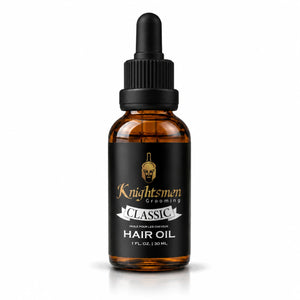
Organic Hair Oil | Classic
The fragrance-free daily oil this guide suggests for non-wash days: a few drops through the mid-lengths and ends add moisture and help tame frizz.
Shop Now →Why does a hair routine matter?
Hot showers, hard water, dry winter air and layers of styling product can all leave hair feeling dry, dull or hard to manage. A shampoo-only habit cleans the hair but does nothing to condition it.
A routine fills in the missing steps: cleansing at the right frequency, conditioning, a little oil and a light styling product. The goal is hair that is easier to comb and style, with a softer feel, less frizz and more shine. It also saves time, because every product has a job and you are not reaching for whatever is closest.
The sections below follow a simple order: wash, condition, oil, style, then the weekly and seasonal extras.
What is your hair type, and what does it need?
Before building a routine, work out what you are dealing with. Men's hair generally falls into a few types, and each one leans toward different products.
| Hair type | What it tends to do | What suits it |
|---|---|---|
| Fine | Gets oily faster and can feel limp | A few drops of lightweight oil on the mid-lengths and ends, kept off the roots, and a light balm |
| Thick or coarse | Holds moisture but can turn dry and frizzy | Regular conditioning, plus heavier oil and balm formulas |
| Curly or wavy | Tends to feel drier, because scalp oils travel less easily down a curl | Daily oil on the lengths and a leave-in conditioner |
| Straight | Spreads scalp oil easily, so it looks greasy first | Lighter products, and possibly more frequent washing |
Many men sit between two of these types, so treat the table as a starting point and adjust as you see how your hair responds.
How often should you shampoo?
There is no single right number. The AAD says that people with an oily scalp and straight hair may want to shampoo every day, while dry, textured, curly or thick hair can go longer, at least once every 2 to 3 weeks as needed.
For normal hair, every two to three days is a common starting point. From there, adjust: wash a little more often if your scalp or hair feels oily, and a little less often if your hair feels dry or dull. Heavy sweating, a dusty job or a lot of styling product are all good reasons to wash sooner. On the days in between, the oil step in the daily routine below keeps hair comfortable.
How do you wash your hair properly?
Many men rush this step. A few small changes make the biggest difference.
- Use lukewarm water. Very hot water can leave hair and scalp feeling dry.
- Shampoo the scalp only. The AAD advises applying shampoo to your scalp instead of the entire length. The suds that run down as you rinse are enough to clean the rest.
- Massage with your fingertips, not your nails. It is gentler on the scalp.
- Rinse thoroughly. Shampoo left on the scalp can build up, so take an extra thirty seconds.
- Condition the lengths. Apply conditioner from the mid-length to the ends and leave it on for two to three minutes. The AAD suggests the ends only for fine or straight hair and the full length for dry or curly hair.
- Add moisture if you need it. For very dry or coarse hair, a leave-in conditioner or a few drops of hair oil on damp hair adds moisture that lasts through the day.
Our Rosemary Hair Growth Shampoo and Rosemary Hair Growth Conditioner are made without sulfates or parabens, as the product pages state.
What does the daily routine look like?
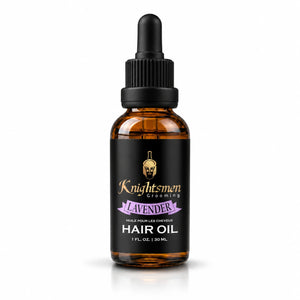
Morning. Decide whether it is a wash day. On non-wash days, put a few drops of hair oil on your fingertips and work it through the mid-lengths and ends, keeping it off the roots if your hair is fine. It adds moisture and helps tame frizz through the day. Our Organic Hair Oil | Tea Tree has a light, clean scent, and the Hair Oil Discovery Set includes bergamot, lavender, tea tree and unscented oils, so you can try the scents before you choose one.
Evening. Some men work a few drops of oil into the scalp before bed, massaging with the fingertips in small circles for two to three minutes. The oil has all night to soak in, so it does not get in the way of your day. If you style with hair balm, apply a small amount to slightly damp hair in the evening and let it set overnight. That can leave your hair defined and moisturized in the morning, with very little product needed.
If your hair is longer or curly, a silk or satin pillowcase is a small, optional extra, since it is smoother against hair than cotton.
What is a weekly deep-conditioning routine?
Once a week, give your scalp and hair a proper oil soak. Apply a generous amount of hair oil to the scalp and massage for about five minutes. Work the rest through the lengths, cover your hair with a warm towel for about twenty minutes, then shampoo it out.
The routine leaves hair softer, smoother and shinier-looking, and it fits easily into a weekend. Use less oil if your hair is fine.
It is also a good moment to check your scalp. If you notice patches of redness, flaking that does not go away, or hair that seems to be thinning, see a doctor or dermatologist rather than changing your routine.
How should you adjust your hair routine for the seasons?
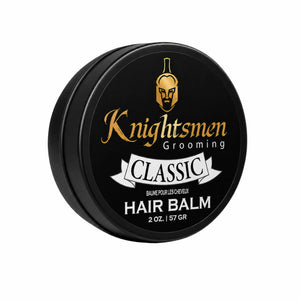
Winter. Cold air outside and dry heated air inside are hard on scalp and hair moisture. Use oil more often, consider a humidifier in your bedroom, and switch to a richer balm. Our Organic Hair Balm Variety Set (1 Oz Each) lets you try all four balms, including a fragrance-free Classic.
Summer. Sweat can build up on the scalp faster, so you may want to wash a little more often. Lightweight oils are less likely to weigh your hair down in the humidity. Tea tree hair oil and hair balm both have a light, clean scent that suits warm weather.
In every season, keep the basics the same and change only the amounts.
What hair care mistakes should you avoid?
- Rubbing hair dry with a towel. The AAD warns that roughly rubbing hair dry can cause damage. Squeeze the water out gently, or wrap your hair in a microfibre towel or a T-shirt.
- Brushing wet hair. The AAD suggests a wide-tooth comb instead of a brush to detangle wet hair.
- Using too much heat. Limit blow-drying and hot tools, use low or medium heat, and apply a heat-protecting product first.
- Skipping the scalp. Treating only the strands is a common mistake. The scalp deserves as much attention as the lengths, starting with a proper shampoo.
- Choosing products at random. Pick products made for your hair type, and read the ingredient list if you prefer to avoid certain ingredients. Our hair oils and balms contain no mineral oil, no parabens and no synthetic fragrance, as the product pages state.
How do you build the habit?
The best routine is the one you actually follow. Start with the basics: correct washing technique, a few drops of hair oil on non-wash days, and a weekly deep-conditioning routine. Once those are habits, add the balm and the seasonal changes.
Explore the full hair care collection to find the right products for your hair type. Our beard, hair and body care products are made with certified organic ingredients and handcrafted in small batches in Toronto, Canada. If you would rather start small, the Hair Growth Starter Kit pairs a hair oil with a hair balm, and every oil is in one place in the hair oil collection. If you also have a beard, our best beard care routines guide covers that side.
Frequently asked questions
Should I put hair oil on wet or dry hair?
Either works. On non-wash days, put a few drops on dry hair and work them through the mid-lengths and ends. For very dry or coarse hair, a few drops on damp hair after washing adds moisture that lasts through the day. Start with less than you think you need, because too much oil makes hair look greasy.
What is the difference between hair oil and hair balm?
Hair oil is a lightweight conditioner for the lengths and, if you like, the scalp. It adds moisture, softens the hair and gives shine. Hair balm is a styling product made with shea butter and beeswax. It gives soft hold and natural texture and tames frizz. Many men use oil first and a small amount of balm on top.
Do I need conditioner if I have short hair?
Yes, though you will use less. Conditioner makes hair softer and easier to comb. The AAD suggests applying it to the ends if your hair is fine or straight, and to the full length if it is dry or curly. Leave it on for two to three minutes, then rinse well.
Is it bad to blow-dry my hair every day?
The AAD advises limiting blow-drying and hot tools. If you do blow-dry, use a low or medium heat setting and apply a heat-protecting product first. Keep the dryer moving and hold it away from the scalp. A wide-tooth comb is the better tool for detangling while the hair is still wet.
How do I know if my scalp needs a doctor?
Occasional dryness is normal in a Canadian winter. If you notice persistent flaking, redness, soreness, or hair that seems to be thinning or falling out in patches, see a doctor or dermatologist. A new product routine is not a substitute for a diagnosis.
Shop these products
Related guides
- Best Beard Care Routines for Men
- Organic Beard and Hair Care: Why It Matters
- Best Organic Hair Oil in Canada (2026)
Sources
Knightsmen Grooming products are cosmetics. This guide is general information, not medical advice. If you have a skin or scalp condition, or sudden changes in your hair, see a doctor or dermatologist.