Free Shipping on Orders $100+ — Canada


Short answer: A natural bar soap is a cleansing bar usually made by reacting plant oils with an alkali (lye), a process called saponification. It is not automatically gentler than other cleansers, so judge a bar by its ingredient list, its fragrance and how your skin feels after washing, not by the word natural.
Bar soap is simple, travels well and often needs less plastic packaging than a bottle. Quality natural bar soap can be a good everyday choice, but the label alone will not tell you how gentle a bar is. This guide covers how soap is made, what to check before you buy, who a bar suits and how to use one so it lasts.
Key takeaways
- "Natural" describes where ingredients come from, not how gentle a bar is.
- A short ingredient list and no added fragrance are a sensible starting point.
- Saponification produces glycerin, a humectant that attracts water.
- Bar soap and body wash both clean; a Cleveland Clinic dermatologist says liquid soap is generally gentler.
- Rinse well, let the bar dry between uses and moisturize while your skin is still damp.

Knightsmen Recommends
Oatmeal Shea Honey Soap Bar – Gentle Natural Cleanser for Hands & Body
Organic oatmeal, organic shea butter and organic honey in a plant-based soap bar made for body and face.
Shop Now →What is natural bar soap?
Natural bar soap usually means soap made from plant oils, sometimes with plant extras such as oatmeal or honey, using the traditional saponification method. In saponification, fats or oils react with an alkali such as lye (sodium hydroxide), and the result is soap plus glycerin. Glycerin is a humectant, which means it attracts water. Whether it stays in the finished bar depends on how the maker works, so check the product description rather than assuming.
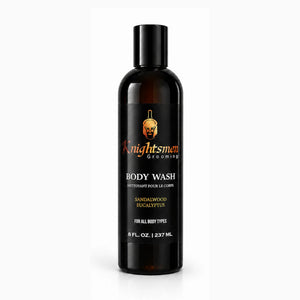
Not every bar sold as soap is true soap. Some are made with synthetic detergents instead and are called syndet bars. On an ingredient list, true soap appears under names such as Sodium Cocoate (from coconut oil) or Sodium Olivate (from olive oil). Soap names show up in liquid products too: our Organic Body Wash with Coconut, Sandalwood & Eucalyptus lists Potassium Cocoate and Potassium Oleate, which are potassium soaps derived from coconut and sunflower oils.
Is natural bar soap better than body wash?
Not automatically: bar soap and body wash both clean, and the formula matters more than the format. A Cleveland Clinic dermatologist says that, in general, liquid soap is gentler than bar soap, and that a fragrance-free cleanser will be gentler than one with fragrance. That does not make a bar a poor choice. Many people use one comfortably, and a bar usually needs less plastic than a bottle.
If your skin often feels tight or dry after washing, try a gentle, fragrance-free cleanser, in bar or liquid form, and see how your skin responds. If you prefer a liquid, our guide to the best body wash for men in Canada covers natural options.
What should you look for on the label?
Start with the ingredient list: a short list of names you recognize is easier to judge than the front of the bar. Cleveland Clinic's allergist advises choosing products with simple ingredients and few of them. Use this quick reference when you compare bars.
| What to check | Why it matters | What to look for |
|---|---|---|
| Soap names | Shows whether the bar is true soap or a syndet bar | Names such as Sodium Cocoate or Sodium Olivate |
| Length of the list | Fewer ingredients are easier to judge | A short list of names you recognize |
| Fragrance | Added scent can bother sensitive skin | "Fragrance-free" rather than "unscented", which can still contain a masking scent |
| Add-ins | They change how the bar feels and lathers | Shea butter, oatmeal, honey or charcoal for conditioning, texture and cleansing feel |
| Packaging | Affects waste and how long a bar lasts | Paper or cardboard rather than plastic, and a dish that lets the bar dry |
Does fragrance matter in a bar soap?
Yes, because fragrance can bother skin. The American Academy of Dermatology says dermatologists recommend products labelled fragrance-free for dry skin, and Cleveland Clinic advises men to look for those exact words, because unscented products can still contain a masking scent. The AAD gives the same caution about "unscented" labels.
Natural scents count too. Essential oils and other plant-derived ingredients are natural, but Cleveland Clinic's allergist notes that natural and organic ingredients can still cause problems for some people. If you enjoy a scent, choose a bar you like and watch how your skin responds over the first few uses.
For reference, the ingredient list of our Oatmeal Shea Honey Soap Bar reads water, plant-based soap base, organic oatmeal, organic shea butter and organic honey. The Activated Charcoal Facial Cleanser lists water, plant-based soap base, organic activated charcoal and organic coconut oil. Neither list includes fragrance.
What do shea butter, oatmeal, honey and charcoal add?
They are cosmetic add-ins that change how a bar feels, lathers and looks, and none of them turns a bar into a treatment.
- Shea butter is a rich plant fat that conditions and moisturizes.
- Oatmeal is finely ground oats, a traditional bath and skin ingredient that adds a soft, gently textured feel and soothes dry skin.
- Honey is a humectant, so it attracts moisture to the skin.
- Activated charcoal is a very porous form of carbon that gives a bar its dark colour and rinses away with the lather.
Our guides go into more detail on oatmeal, shea and honey and on what charcoal soap can and cannot do.
How do you use bar soap so it lasts?
Lather the bar in your hands, wash, rinse thoroughly and let the bar dry between uses. In more detail:
- Wet the bar and your hands with warm water, work up a lather between your hands and apply it to your skin instead of rubbing the bar hard against your body.
- Rinse thoroughly, because leftover soap can leave skin feeling dry or tight.
- If your skin is dry, keep showers to five to ten minutes in warm rather than hot water, as the American Academy of Dermatology suggests.
- Pat dry and moisturize while your skin is still damp.
- Store the bar on a draining dish or soap lift so it can dry; a bar that sits in water goes soft and wears away faster.
For hand washing, the Public Health Agency of Canada advises wetting your hands, applying soap and rubbing for at least 20 seconds before rinsing well.
Who is a natural bar soap for?
A natural bar soap suits men who want a simple routine and less plastic, and who are happy to read an ingredient list. A few things to keep in mind:
- Dry or sensitive skin: choose a fragrance-free bar, test it on a small area first and moisturize afterwards. A dermatologist can advise on what suits your skin.
- After shaving: the product page for our Oatmeal Shea Honey Soap Bar describes a body or face bar that suits dry skin, sensitive skin and post-shave use.
- Face and body: the Activated Charcoal Facial Cleanser is made for both.
- Prefer a liquid? The Organic Body Wash uses plant-derived coconut surfactants instead of sulfates.
Whichever you choose, give a new product a few uses before you decide, and stop using anything that stings or burns.
How does bar soap fit into a grooming routine?
Use a bar for your body and hands, a gentle cleanser for your face, and a moisturizer or oil afterwards. Cleveland Clinic suggests cleansing your skin twice a day, usually in the morning and before bed, and moisturizing while your skin is still a little damp.
For the face, our Activated Charcoal Facial Cleanser is made for facial use as well as the body, and the Organic Body Wash is there when you prefer a liquid. If you have a beard, the AAD advises washing the skin underneath every day with a gentle cleanser rather than soap, then finishing with a few drops of beard oil. Browse the full Skincare collection for more.
Frequently asked questions
Is natural soap good for sensitive skin?
It can be, but natural does not automatically mean gentle. Choose a simple, fragrance-free formula, test it on a small area first and moisturize afterwards. If your skin stings, burns or reacts, wash the product off and stop using it. If the reaction is severe or does not settle, see a doctor or dermatologist.
How do I test a new bar of soap?
The American Academy of Dermatology suggests trying a new product on a quarter-sized spot, such as the inner arm, twice a day for seven to 10 days. For a rinse-off product, leave it on for as long as the instructions say, or about five minutes. If you see no red, itchy or swollen skin by the end, go ahead and use it.
Is bar soap better than body wash?
Neither is better for everyone. Both clean, and the formula matters more than the format. A Cleveland Clinic dermatologist says liquid soap is, in general, gentler than bar soap, while a bar usually needs less plastic and lasts well if it can dry between uses. Choose the one your skin tolerates and you will use, and look for fragrance-free if your skin is sensitive.
Does organic soap mean it is gentler?
Not necessarily. Organic describes how ingredients are grown and processed, not how mild a finished bar is. Cleveland Clinic's allergist notes that natural and organic ingredients can still cause problems for some people, which is why the full ingredient list and a small test matter more than the front label.
How do I make a bar of soap last longer?
Keep it out of standing water. Store the bar on a draining dish or soap lift so it dries between uses, and lather it in your hands rather than rubbing the bar hard against your skin. A bar left in a puddle goes soft and wears away much faster.
Shop these products
- Oatmeal Shea Honey Soap Bar
- Activated Charcoal Facial Cleanser
- Organic Body Wash with Coconut, Sandalwood & Eucalyptus
- Skincare collection
Sources
- Cleveland Clinic: a guide on how to wash your face
- Cleveland Clinic: are natural skin care products actually better for your skin?
- Cleveland Clinic: skin care for men
- American Academy of Dermatology: how to test skin care products
- American Academy of Dermatology: dermatologists' top tips for relieving dry skin
- Public Health Agency of Canada: how to clean your hands
Knightsmen Grooming products are cosmetics. This guide is general information, not medical advice. If you have a skin or scalp condition, or sudden changes in your hair, see a doctor or dermatologist.