Free Shipping on Orders $100+ — Canada


Short answer: Beard conditioner is a light, water-based product that softens beard hair, and many are rinsed out in the shower. Beard oil is a leave-in blend of plant oils that conditions the hair and moisturizes the skin under it. Most beards do well with oil alone, and a conditioner is worth adding when the hair is long, coarse or tangles easily.
Beard conditioner and beard oil sit side by side on the shelf, often at similar prices and with a similar promise: a softer beard. They are not the same thing, though, and the difference shows up in the shower, on your skin and in how the beard looks by the afternoon. The American Academy of Dermatology (AAD) names both in its beard care tips, which makes it a good place to start.
Key takeaways
- A conditioner works on wet hair and is usually rinsed out. Oil stays on and moisturizes the skin as well as the hair.
- For a beard that has filled in, the AAD suggests a beard conditioner for skin that is prone to breakouts, beard oil for normal or dry skin, and a fragrance-free moisturizer for sensitive skin.
- Use either one sparingly. The AAD's advice is that you can always add more.
- You do not need both. A gentle cleanser and a leave-in oil cover most routines, and a conditioner is a useful extra for long or coarse beards.
- If flaking, redness or itching does not settle, see a doctor or dermatologist.

Knightsmen Recommends
Organic Beard Balm | Classic
Our fragrance-free Classic beard balm, made in small batches in Toronto with shea butter, beeswax and jojoba oil, for light hold and soft, conditioned hair.
Shop Now →What is a beard conditioner?
A beard conditioner is a water-based cream or lotion made to soften beard hair and make it easier to comb. Many are used in the shower after cleansing: you work a small amount through the beard, leave it for the time on the label and rinse with lukewarm water. Some are designed to stay in.
Because it is water-based, a conditioner is generally lighter on the skin than a leave-in oil. The AAD lists beard conditioner as its pick for skin that is prone to breakouts, and notes that once the beard covers the skin you can switch to a beard conditioner or another moisturizer.
What is beard oil?
Beard oil is a blend of plant oils that you apply to a clean, slightly damp beard and leave on. It softens the hair, adds a light sheen, makes the beard easier to comb and style, and moisturizes the skin underneath. The AAD says moisturizing helps soften the skin and beard hairs, and for normal to dry skin it suggests beard oil.
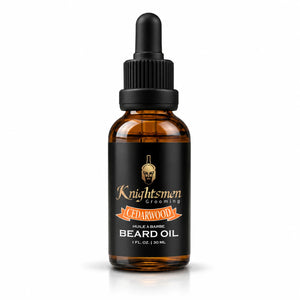
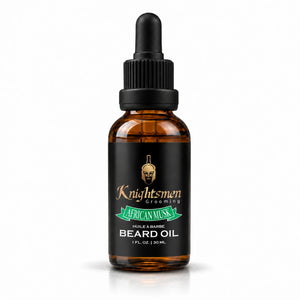
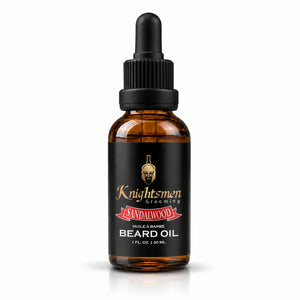
Knightsmen beard oils are made in small batches in Toronto with certified organic ingredients, including jojoba, argan, grape seed and coconut oils, plus vitamin E. Our fragrance-free Classic beard oil is the simplest place to start, and the full ingredient list is on every product page.
How are beard conditioner and beard oil different?
The simplest way to remember it: conditioner is a shower step that works while the hair is wet, and oil is a finishing step that stays on. Everything else follows from that.
| Beard conditioner | Beard oil | |
|---|---|---|
| Base | Water-based cream or lotion | Blend of plant oils |
| When you use it | In the shower after cleansing | After washing, on a clean, damp beard |
| Rinsed out? | Usually yes | No, it stays on |
| Main job | Softens the hair and helps it detangle | Conditions the hair and moisturizes the skin |
| AAD pairing | Skin prone to breakouts | Normal to dry skin |
In practice, a conditioner changes how the beard feels while you wash and comb it, while oil is the one that stays with you through the day.
Which one does my beard need?
Match the product to your skin and your beard rather than to the label:
- Short beard, normal or dry skin: oil on its own is usually enough.
- Skin that is prone to breakouts: try a conditioner or a light moisturizer first, as the AAD suggests, and keep the skin clean.
- Long, coarse or tangled beard: a conditioner in the shower helps with combing, and oil afterwards finishes the job.
- Sensitive skin: the AAD suggests a fragrance-free, non-comedogenic moisturizer. If you prefer oil, choose an unscented one and patch-test first.
- A beard that needs shape: add a little balm on top of the oil.
Do I need both a beard conditioner and a beard oil?
No. Think of a conditioner as an optional shower step and oil as the finishing step. If you only have room for one, oil is the more complete choice for most men, because it stays on and covers both the hair and the skin. A conditioner earns its place when the beard is long, thick or hard to comb, or when oil alone leaves the skin feeling heavy.
A practical test: if your beard combs through easily and feels soft with oil alone, skip the conditioner. If it tangles, feels rough after washing, or fights the comb, add one. Whichever you pick, moisturize straight after washing while the skin is still slightly damp, as the AAD advises, and start with less than you think you need.
How do I use them together in a routine?
- Wash. Use a gentle cleanser rather than soap on the face and beard every day, and rinse with lukewarm water. Our beard washing guide has the detail.
- Condition (optional). Work a small amount of conditioner through the beard, leave it for the time on the label and rinse well.
- Pat dry. Leave the beard and skin slightly damp.
- Oil. Warm 3 to 5 drops between your palms for a short or medium beard, or 6 to 10 for a long or dense one, and massage it into the skin first.
- Comb through. A beard comb spreads the product evenly.
- Finish with balm (optional). A little beard balm adds light hold for shaping.
Can I use hair conditioner on my beard?
Plenty of men do. The AAD describes conditioner as a product that moisturizes and detangles hair and makes it easier to manage, which is the job you want on a beard too. If you try it, keep it on the hair, rinse thoroughly so no residue sits on the skin, and stop if your skin reacts or the beard feels coated. Beard hair can be thicker and coarser than the hair on your head, so you may need the full contact time on the label. A product made for beards is a better match if you want something designed for facial skin.
What does beard balm add?
Balm is thicker than oil. It is made with shea butter and beeswax, and it adds light hold, so it is the step for shaping a beard and taming flyaways. It sits well on top of oil rather than replacing it. Warm a small amount between your palms until it melts, work it through the beard and moustache, and style as needed. Our Classic beard balm is fragrance-free and pairs with the Classic oil, and it also comes in Cedarwood, Sandalwood and African Musk. Our guide to beard balm vs beard oil explains how the two differ.
Frequently asked questions
Is beard conditioner better than beard oil?
Neither is better in general, because they do different jobs. Conditioner softens and detangles in the shower. Oil stays on to condition the hair and moisturize the skin. The AAD matches conditioner to skin that is prone to breakouts and oil to normal or dry skin, so your skin type is the best guide.
Can I use beard conditioner and beard oil on the same day?
Yes. Use the conditioner in the shower, rinse it out, pat the beard dry and then add a few drops of oil. Because the conditioner rinses away, it does not clash with the oil. Start with fewer drops than usual, and add more only if the beard still feels dry.
How often should I use beard conditioner?
Follow the label on your product. Because it rinses out in the shower, it fits wherever you already wash your beard. Most men apply beard oil once a day after washing, and the AAD advises using either product sparingly to avoid a greasy look, since you can always add more.
What if my beard still feels dry?
Check the basics first. The AAD advises a gentle cleanser rather than soap, rinsing with lukewarm water, and moisturizing straight after washing. Our guide to beard oil for a dry beard goes through the habits and ingredients in more detail. If flaking or itching continues, see a doctor or dermatologist.
Knightsmen Grooming products are cosmetics. This guide is general information, not medical advice. If you have a skin or scalp condition, or sudden changes in your hair, see a doctor or dermatologist.
Sources