Free Shipping on Orders $100+ — Canada

Short answer: Healthy habits for men are the same basics public health agencies recommend for everyone: mostly whole foods, regular activity, enough water, seven or more hours of sleep and gentle hygiene. This guide is a plain-language summary of that advice, not medical advice.
Most grooming guides start with products. This one starts with the everyday habits around them, because products work best alongside food, activity, sleep and hygiene routines you can keep up. Diet, exercise and hygiene are the foundation; products are the finish work on top.
Key takeaways
- Health Canada advises plenty of vegetables and fruits, whole grains and protein foods, with water as your drink of choice.
- Adults should get at least 150 minutes of moderate-to-vigorous physical activity a week.
- Experts recommend that adults sleep between 7 and 9 hours a night.
- Wash gently with lukewarm water soon after you sweat, and pat dry instead of rubbing.
- No food, workout or grooming product replaces a doctor's advice for a skin or hair problem.

Knightsmen Recommends
Activated Charcoal Facial Cleanser
The bar this guide recommends after a workout: organic activated charcoal and organic coconut oil in a plant-based soap base, made for the face and body.
Shop Now →What are the basics of healthy habits for men?
The basics are the same for most adults: eat mostly whole foods, move regularly, drink water, sleep enough and wash gently. The table summarizes the general guidance covered below, and each row names its source.
| Habit | General guidance | Source |
|---|---|---|
| Eating | Plenty of vegetables and fruits, whole grain foods and protein foods; limit highly processed foods | Health Canada |
| Drinks | Make water your drink of choice | Health Canada |
| Activity | At least 150 minutes of moderate-to-vigorous activity a week | Government of Canada |
| Sleep | 7 to 9 hours a night for adults | US National Institutes of Health |
| Washing | Wash soon after sweating, with lukewarm water and a gentle cleanser | American Academy of Dermatology |
| Hands | Soap and water, rubbing for at least 20 seconds | Public Health Agency of Canada |
These are general guidelines for healthy adults. If you have a medical condition, ask your doctor what is right for you.
What does a healthy eating pattern look like?
Health Canada's healthy eating recommendations are to eat plenty of vegetables and fruits, whole grains and protein foods, and to choose protein foods that come from plants more often. They also suggest choosing foods with healthy fats instead of saturated fat, limiting highly processed foods, making water your drink of choice and replacing sugary drinks with water.
None of this requires perfection. The direction matters more than any single meal: more whole foods, fewer highly processed ones. This guide does not claim that any one food or nutrient affects a particular skin or hair problem. If you have questions about nutrients or supplements, ask a doctor, dietitian or pharmacist, who can look at your diet, your health and any medication you take.
How much exercise do adults need?
The Government of Canada recommends that adults get at least 150 minutes of moderate-to-vigorous physical activity per week, along with muscle- and bone-strengthening activities. That works out to about 30 minutes on five days, and you can spread it across the week in whatever way suits you. Brisk walking, cycling and swimming all count towards the aerobic total, and resistance training covers the strengthening.
The best activity is the one you will keep doing. If you are new to exercise, start with what you can manage and build up gradually, and if you have a medical condition or are unsure what is safe for you, ask a health professional before you change your routine. Exercise is also a good reason to think about hygiene, which is the next section.
How should you wash after a workout?
Wash soon after you sweat, using lukewarm water and a gentle cleanser. The American Academy of Dermatology advises washing your skin as soon as possible after sweating. Use your fingertips, do not scrub, pat dry with a soft towel and moisturize if your skin feels dry. If you cannot shower right away, change out of sweaty clothes when you can.
For the face, our Activated Charcoal Facial Cleanser is the bar we recommend after training. Lather it in your hands, wash gently and rinse well. It is made for the face and body and has a plant-based soap base, so if you have a beard or your skin is dry or sensitive, ask a dermatologist which cleanser suits you.
If you have a beard, the AAD advises washing the skin underneath every day with a gentle cleanser rather than soap, matched to your skin type: hydrating and fragrance-free for dry skin, soap-free and fragrance-free for sensitive skin. Our beard washing guide has the full method. For the body, our Organic Body Wash with Coconut, Sandalwood & Eucalyptus uses plant-derived coconut surfactants instead of sulfates and has a sandalwood and eucalyptus scent.
How much water should you drink?
Health Canada's advice is to make water your drink of choice and to replace sugary drinks with water, and there is no single amount that suits everyone. The NHS gives 6 to 8 cups or glasses of fluid a day as a guide, says you may need more in hot weather, when you are physically active for long periods or when you are ill, and suggests drinking enough that your urine is a clear pale yellow.
Water, lower-fat milk and lower-sugar drinks, including tea and coffee, all count towards your daily intake, and some of your fluids come from the food you eat. Keeping a water bottle where you can see it, and tracking your intake if that helps, is an easy way to build the habit.
How much sleep do adults need?
Experts recommend that adults sleep between 7 and 9 hours a night, according to the US National Institutes of Health (NIH). Its tips for better sleep include going to bed and waking up at the same time every day, keeping the bedroom quiet, cool and dark, and avoiding phones, computers and TV for an hour or so before bed.
The NIH also notes that caffeine can take 8 hours or more to wear off fully, so it is worth avoiding later in the day, and that regular exercise helps as long as it is not within a few hours of bedtime. Sleep is part of general health, and no grooming product replaces it.
When should you talk to a doctor about skin or hair changes?
Talk to a doctor or dermatologist about changes that are sudden, persistent or worrying, such as sudden or patchy hair loss, a rash that does not settle, skin that is painful, bleeding or changing, or itching that lasts. The cause of a skin or hair change is something a health professional needs to find, and food, exercise and grooming products are not a substitute for a medical assessment.
Supplements are the same: ask a doctor, dietitian or pharmacist before you start one, especially if you take medication. It helps to bring a list of what you use on your skin and hair and to note when the change started.
How do grooming products fit in?
Grooming products are cosmetics. They cleanse, moisturize, condition and add scent or shine, and they work alongside good habits rather than replacing them. If you would like to build a routine around the basics above, these are good places to start:
- Organic Beard Oil | African Musk: a warm, woody-scented oil that nourishes the beard and the skin beneath
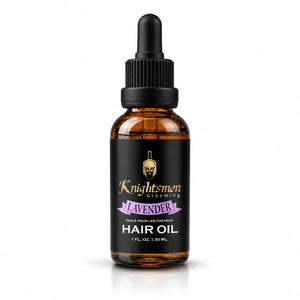
- Organic Hair Oil | Lavender: a light, fast-absorbing hair oil with a lavender scent
- Organic Body Wash with Coconut, Sandalwood & Eucalyptus: a sulfate-free body wash
You can also browse the beard care collection, the hair care range and the skincare collection. Build from the inside out, and think of products as the last layer, not the first.
Frequently asked questions
Does what I eat show up on my skin or hair?
A varied, balanced diet supports your general health, which is what food guides are built around. Whether a particular food affects a particular skin or hair problem is a medical question that depends on the person. A doctor or dermatologist can look at your situation, which is better than cutting out foods on your own or guessing.
How soon should I wash after a workout?
As soon as is practical. The American Academy of Dermatology advises washing your skin as soon as possible after sweating, using a gentle cleanser and lukewarm water. If you cannot shower straight away, change out of sweaty clothes when you can, then wash and moisturize once you are able to.
How long should I wash my hands?
Rub your hands together with soap for at least 20 seconds. The Public Health Agency of Canada steps are to wet your hands, apply soap while your hands are out of the water, rub for at least 20 seconds, rinse well with clean water, dry with a clean cloth or paper towel, and use the cloth or towel to turn off the tap.
Should I take supplements for my skin or hair?
Whether you need a supplement is a question for a doctor, dietitian or pharmacist, who can consider your diet, your health and any medication you take. Health Canada's food guide is built around food: plenty of vegetables and fruits, whole grain foods and protein foods. A supplement is not a substitute for a medical assessment if you have a skin or hair concern.
Can grooming products make up for poor habits?
No. Cleansers, moisturizers and oils can make skin and hair look and feel better cared for, but they work alongside your habits, not instead of them. Eating well, staying active, drinking water, sleeping enough and washing gently are the foundation, and products are the finish work on top.
Sources
- Health Canada: healthy eating recommendations
- Government of Canada: physical activity, being physically active for your health
- US National Institutes of Health: healthy sleep
- NHS: water, drinks and hydration
- American Academy of Dermatology: face washing 101
- American Academy of Dermatology: a dermatologist's top tips for a healthy beard
- Public Health Agency of Canada: how to clean your hands
Knightsmen Grooming products are cosmetics. This guide is general information, not medical advice. If you have a skin or scalp condition, or sudden changes in your hair, see a doctor or dermatologist.